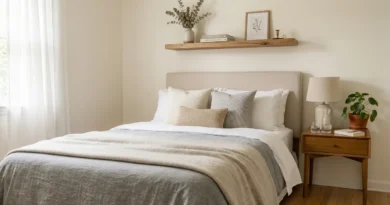
15 Stylish Bedroom Office Corner Ideas for a Productive Space
A lot of small bedrooms have a wasted corner that could easily become a proper workspace. If you work from home or just need a quiet spot to answer emails and pay bills, you do not need an extra room. You need a smart corner setup that fits your space and your budget. This list walks through 15 bedroom office corner ideas that real people have used in real homes, from window nooks to repurposed closets. Each idea includes what to buy, where to place it, and how to make the corner feel finished instead of thrown together. Whether your bedroom is tiny or just awkwardly shaped, one of these setups will fit. Grab a notebook, pick your favorite two or three, and start planning your new productive corner this weekend.
1. Window-Side Desk Nook
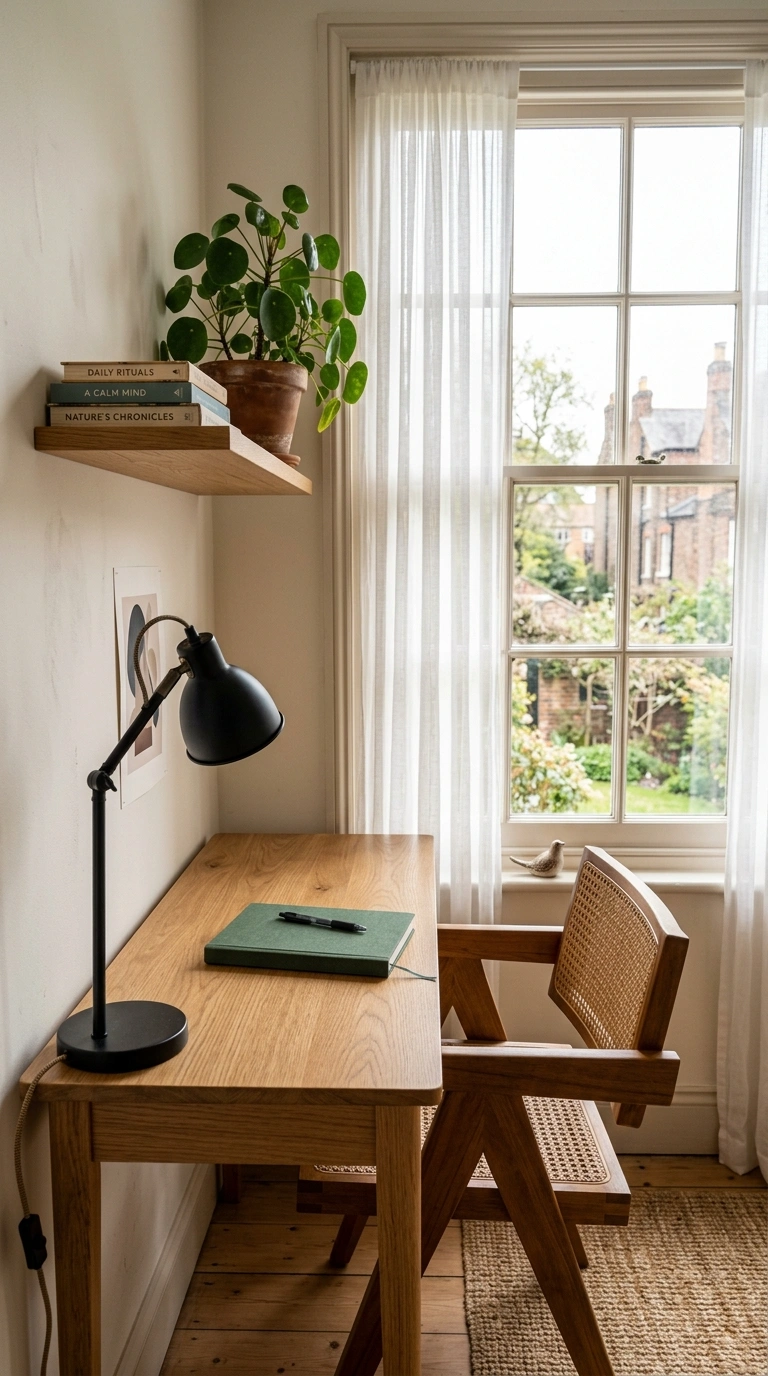
Setting a desk right under or beside a window gives you natural light all day and a nice view when you need a break from the screen. Pick a slim desk that fits the width of your window wall, and choose a chair that does not block the light. A small floating shelf above the desk holds books and a plant without taking up floor space. If the window has a deep sill, you can skip extra shelving and use the sill itself for a candle or small frame.
Keep the curtains light and airy, like a sheer white panel, so the room still feels bright even with the desk in place. This setup works best in bedrooms where the window wall is otherwise empty, and it turns unused space into the brightest work spot in the whole room. Add a desk lamp with a warm bulb for evening work sessions after the sun goes down.
2. Floating Shelf Workstation
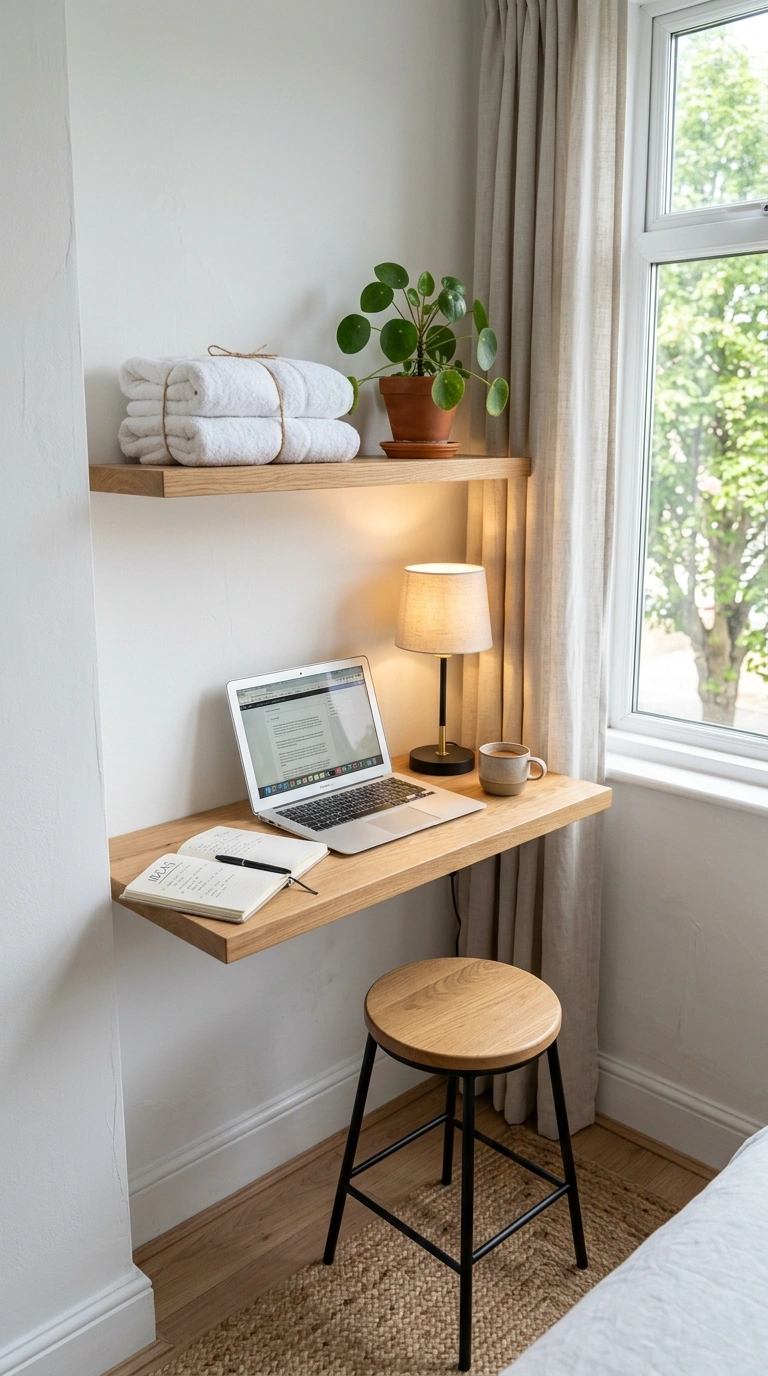
A floating shelf works great as a compact desk when floor space is tight. Mount a sturdy wood shelf at standard desk height, around 28 to 30 inches from the floor, using strong L-brackets hidden underneath. This works well in a bedroom corner where a full desk would feel too bulky. Paint the shelf a color that matches your wall trim so it blends in, or leave it in natural wood for contrast against a painted wall.
Add a second shelf above for a small lamp, notebook stack, or a few framed photos. Since there are no legs, you can slide a stool or chair fully underneath when not in use, which keeps the corner open and easy to walk through. This idea works especially well in shared bedrooms or smaller apartments where every inch counts. A plug-in power strip mounted under the shelf keeps your laptop charger out of sight.
3. Repurposed Closet Office
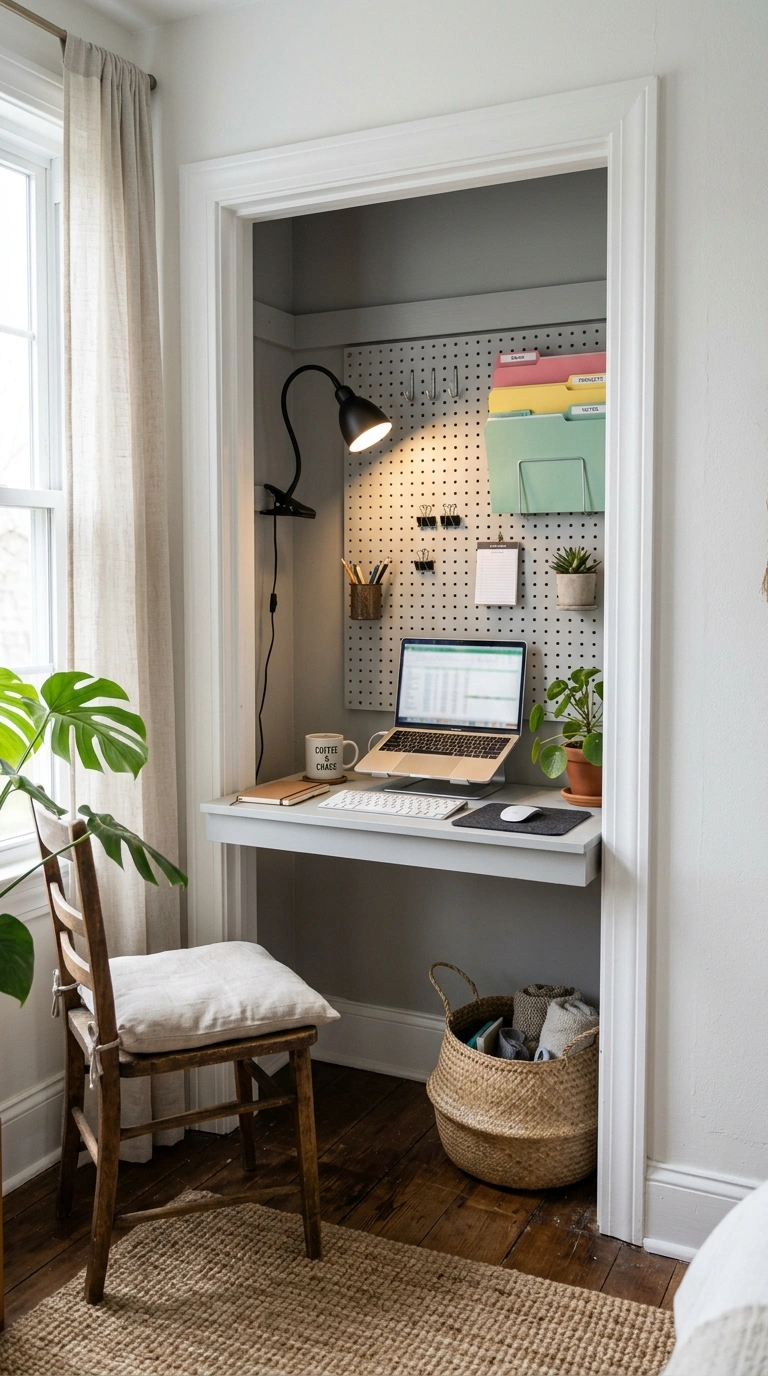
If you have a closet you barely use, turning it into a mini office corner is one of the smartest space swaps you can make. Remove the closet doors, or swap them for a curtain, and add a slim desk that fits the closet width, usually between 24 and 36 inches deep. Keep the closet’s top shelf for storage bins, and use the rod space below for a pegboard to hang folders, tote bags, or extra cords.
Paint the inside walls a soft color so it feels less like a storage space and more like a real workspace, since the plain white or off-white paint that closets usually come with can feel cold. Add a small clip lamp to the shelf above for extra light since closets often lack windows. This idea is perfect for renters who want a private work spot they can close off completely at the end of the day, keeping the rest of the bedroom clutter free.
4. Curtain-Divided Corner
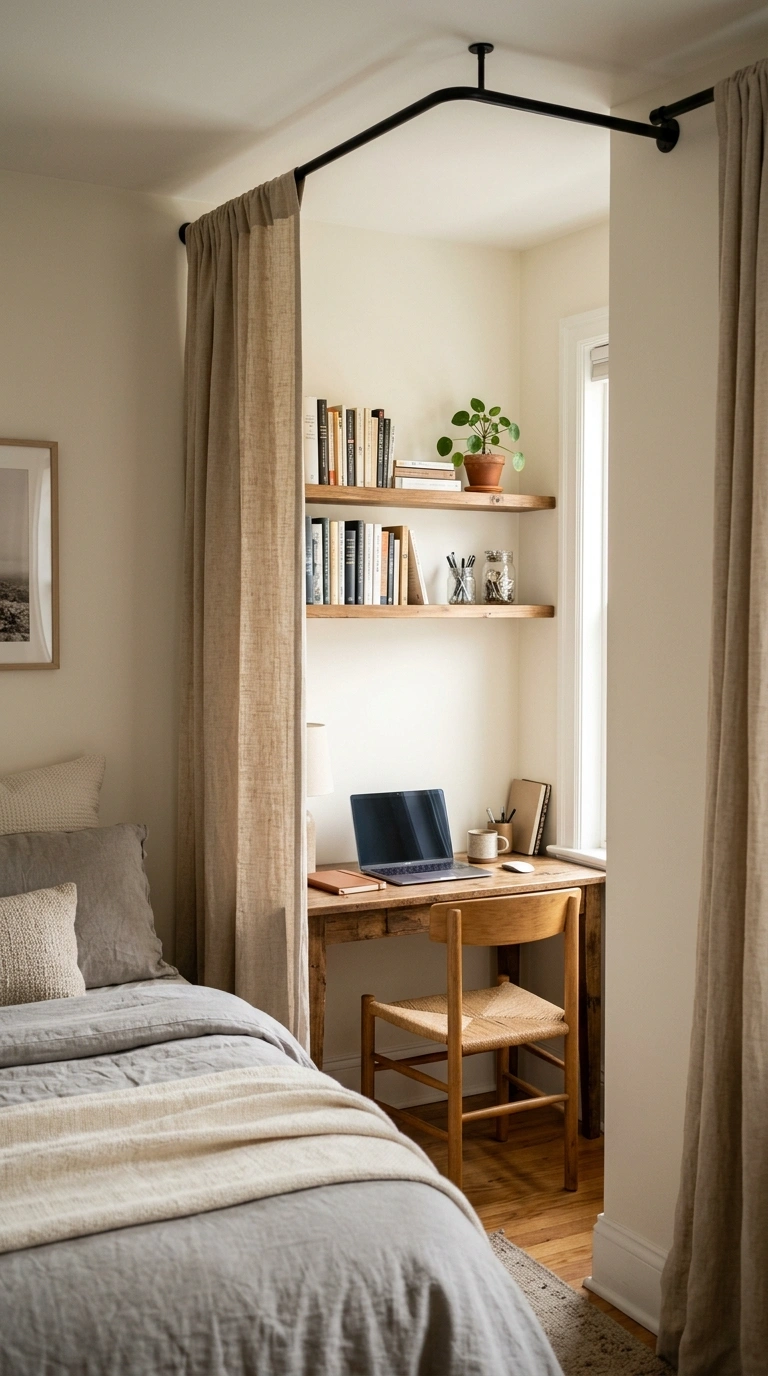
A simple curtain can turn any bedroom corner into a separate work zone without any construction. Hang a curtain rod across the corner, either straight across or in an L-shape using a bent rod, and choose a fabric that matches your bedding or wall color for a pulled-together look. Behind the curtain, set up a small desk, a chair, and a shelf for supplies.
When you are done working for the day, simply pull the curtain closed and the office corner disappears from view, which helps the bedroom feel like a bedroom again at night. This idea works especially well for renters since it requires no drilling into walls beyond the curtain rod brackets. Choose a linen or cotton curtain in a solid neutral tone so the space still feels calm, and add a small tie-back so you can open it fully during work hours for better airflow and light.
5. Pastel Accent Wall Desk
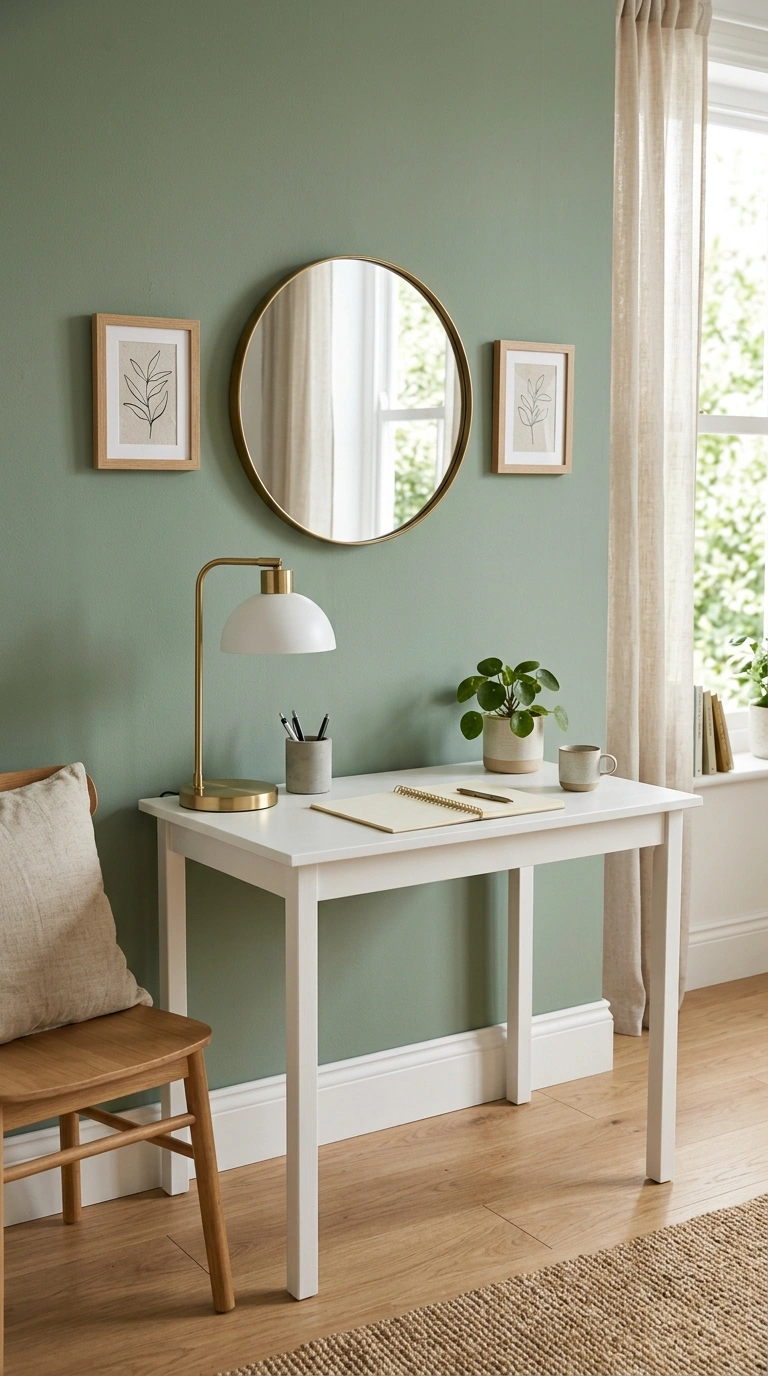
Painting just the wall behind your desk corner in a soft pastel color is an easy way to make the space feel intentional instead of like an afterthought. Colors like sage green, dusty blue, or soft blush work well because they feel calm and still fit most bedroom color schemes. Paint just the section of wall directly behind the desk, from floor to ceiling or in a smaller square shape, and keep the rest of the room in a neutral tone so the accent still stands out.
Pair the wall with a white or light wood desk so the color has room to shine. Add a few small frames or a round mirror on the painted section to finish the look. This idea gives your desk corner its own identity within the bedroom, almost like its own tiny room, and it photographs really well since the color contrast draws the eye right to the workspace.
6. Corner Ladder Shelf Desk
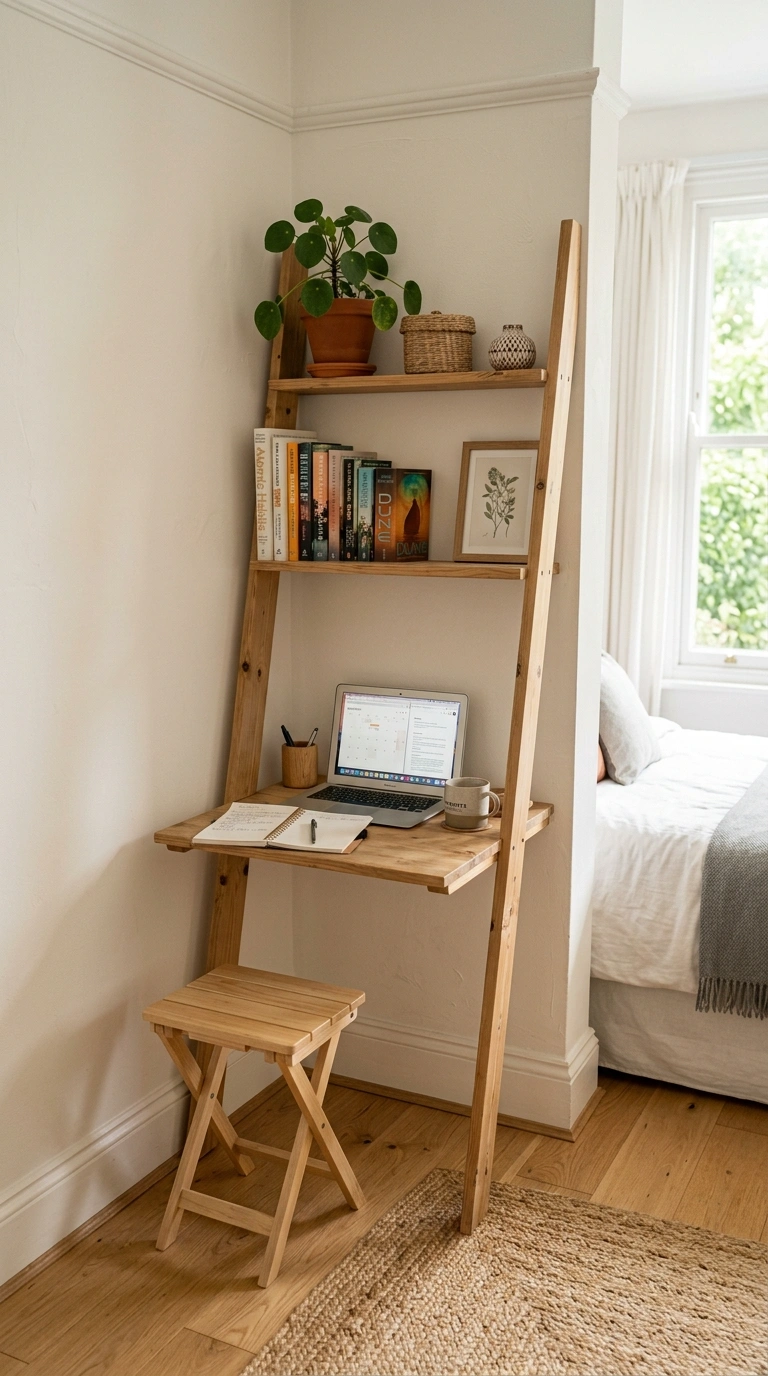
A ladder shelf placed in a corner can double as both storage and a small desk if you pick the right style. Look for a ladder shelf with a wide bottom shelf, at least 30 inches wide, that can hold a laptop and notebook comfortably. Stack the shelves above with baskets, books, and a small plant to keep supplies organized and within reach.
Since ladder shelves lean against the wall at an angle, they fit naturally into a corner without needing to be perfectly squared off, which makes them a good pick for oddly shaped bedrooms. Choose a light wood or white finish so the piece feels airy rather than heavy. Pull up a simple stool or a folding chair when you need to work, then push it aside when you are done. This setup takes up very little visual space, which makes it a strong option for smaller bedrooms that cannot fit a full desk.
7. Built-In Window Seat Desk
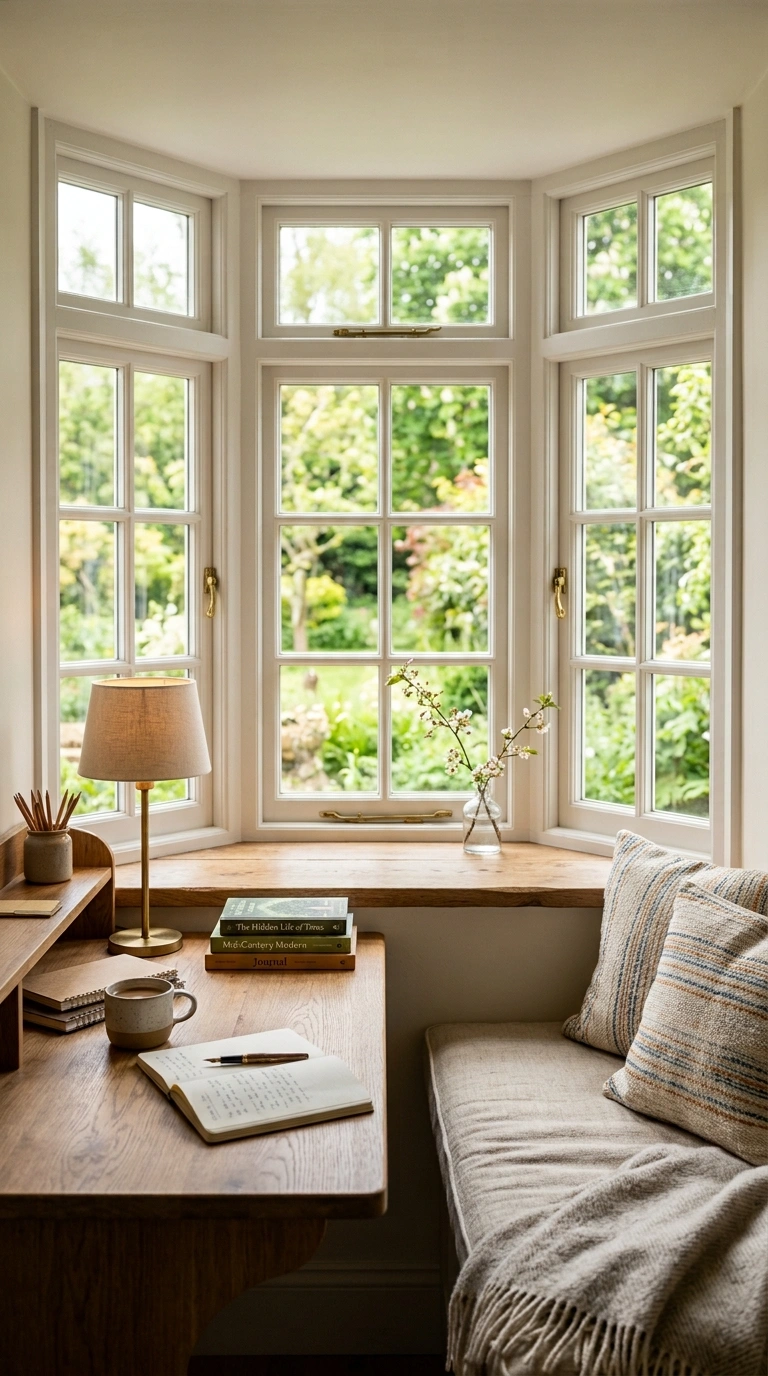
If your bedroom has a window seat or a wide windowsill, you can extend it slightly with a matching wood board to create a long built-in style desk. This works well under bay windows or any window with at least three feet of width. Add a cushion to one end of the seat so you still have a cozy spot to sit and read when you are not working.
Mount a small shelf or two on the wall beside the window for notebooks and a desk lamp, since built-in style desks often skip the drawers you would find on a regular desk. Keep the cushion and any pillows in a fabric that matches your bedding for a look that feels planned rather than pieced together. This idea works especially well in older homes with deep window ledges, and it makes use of a spot that would otherwise just be empty space in front of the window.
8. Vintage Vanity Desk Reuse
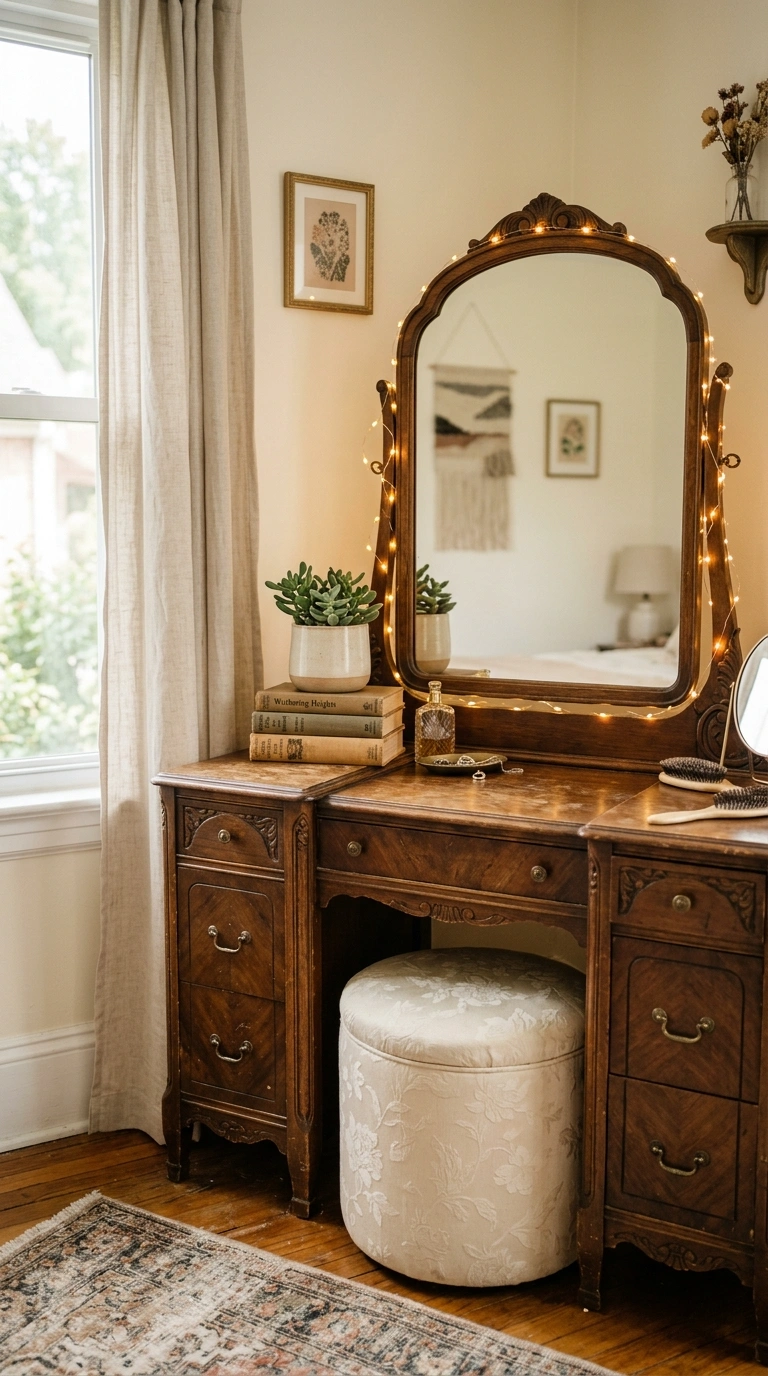
An old vanity table, the kind with a small mirror attached, makes a charming and unexpected desk if you already have one or can find one secondhand. The mirror becomes a nice backdrop for a small shelf of books or a string of fairy lights instead of makeup bottles. Clear off the top and add a laptop stand, a notebook, and a small cup for pens, keeping the surface mostly open since vanities tend to be narrower than standard desks.
If the vanity has a matching stool, keep it and add a cushion in a fabric that ties into your room’s color scheme. This idea works well in bedrooms with a slightly vintage or eclectic style, and it gives your desk corner a bit of personality that a plain modern desk would not have. Look for vanities at thrift stores or estate sales, since they are often priced much lower than a comparable modern desk with a mirror.
9. Wall-Mounted Fold-Down Desk
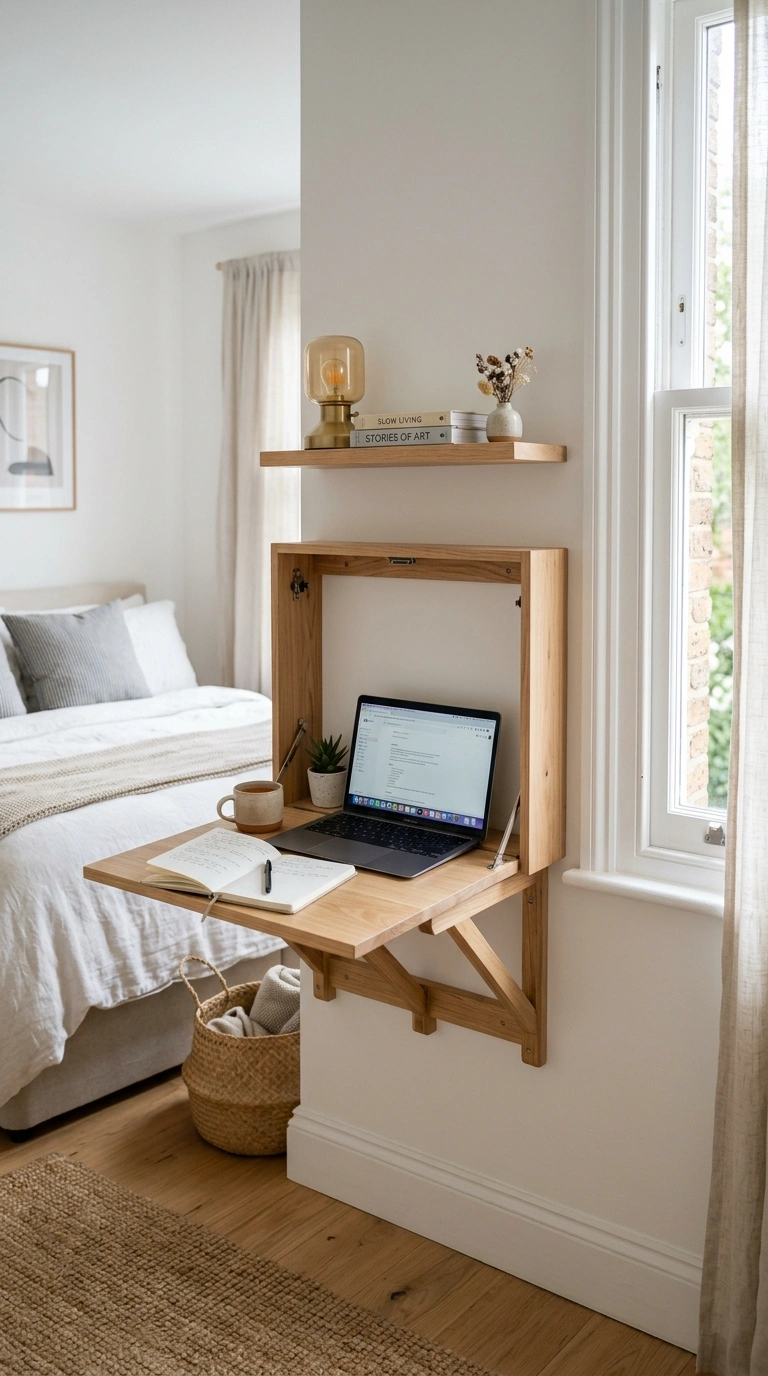
A fold-down desk mounted to the wall is one of the best options for very small bedrooms since it disappears completely when not in use. Choose a simple wood panel style with hidden hinges and a support leg or bracket that folds out when you lower the desk. Mount it at standard desk height on a wall near an outlet so your laptop charger reaches easily.
When folded up, the desk looks like a flat panel or even a piece of wall art if you choose one with a painted or wood grain front. Add a small shelf above for a lamp and a few books, since the desk itself will not have room for permanent storage. This idea is ideal for shared bedrooms, guest rooms that double as offices, or any room where floor space matters more than desk size. Just make sure the wall studs can support the folded weight and any pressure from typing.
10. Bookshelf Backdrop Office
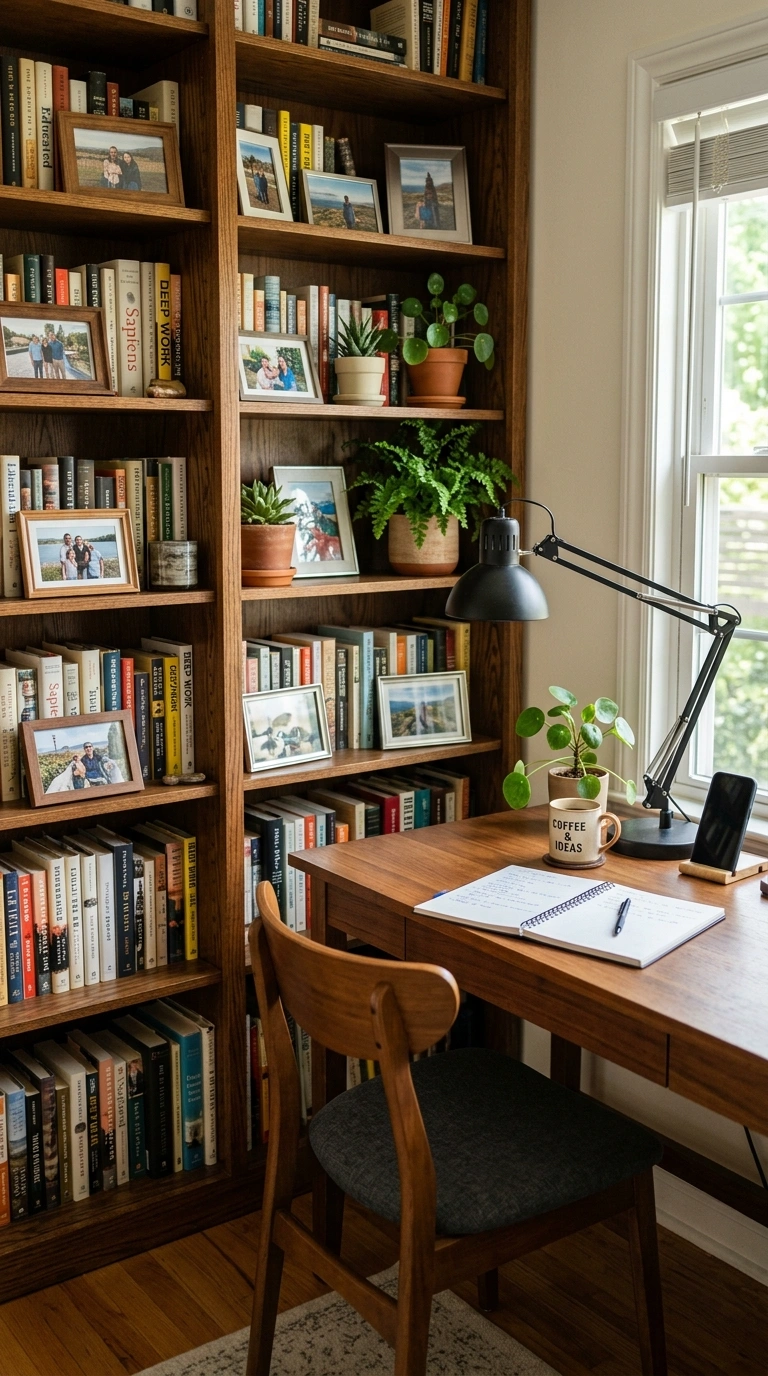
Placing your desk directly in front of a tall bookshelf turns a plain corner into a workspace that photographs like something out of a magazine. Position the desk so it sits flush against the bookshelf’s base, then style the shelves above eye level with a mix of books, small plants, and a few framed photos. Keep the shelf right behind the desk chair mostly open so you are not staring into clutter while you work.
A mix of vertical and horizontal book stacks keeps the shelf from looking too stiff or too messy. Add a small task lamp on the desk itself since bookshelf backdrops can sometimes block overhead light. This idea works particularly well if you already own a bookshelf and just need to rearrange your room, since it does not require buying any new furniture beyond the desk. It also gives you a natural spot to display things you love while you work.
11. Rattan and Wood Corner
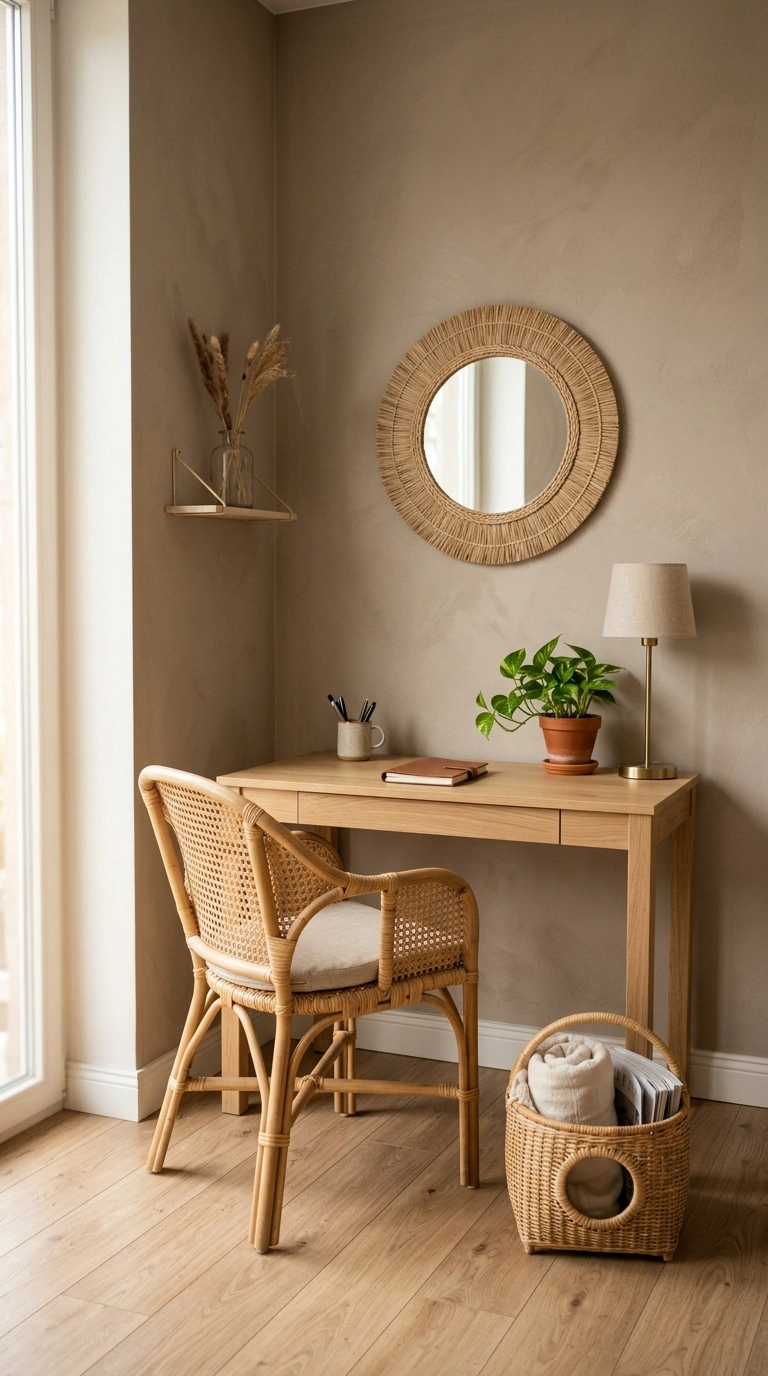
Pairing a light wood desk with a rattan chair and a rattan wall mirror creates a warm, textured office corner that still feels soft and relaxed rather than sharp and businesslike. Look for a desk in a natural oak or pine finish, then add a woven rattan chair with a simple seat cushion in cream or oatmeal fabric.
Hang a round rattan mirror above the desk to add shape without adding visual weight, since rattan pieces tend to feel light even when they are large. A small woven basket on the floor beside the desk holds extra cords, notebooks, or throw blankets out of sight. This combination works well in bedrooms with a boho or coastal style, and the natural textures help the corner blend into the rest of the room instead of looking like a separate office space that was added on later.
12. Two-Tone Painted Corner
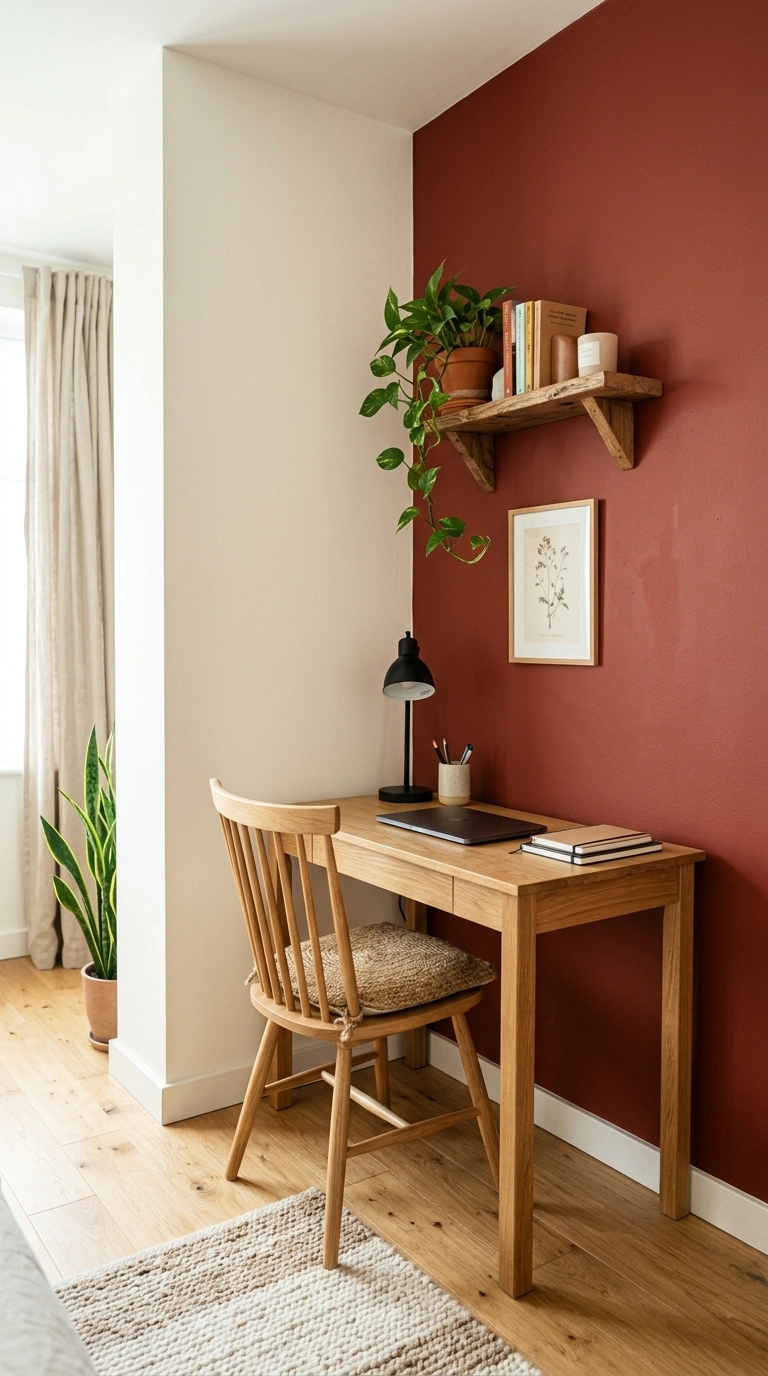
Painting the two walls that meet in your desk corner in two different but complementary colors creates a subtle backdrop that makes the whole nook feel designed on purpose. Try pairing a soft white with a deeper color like clay red or forest green, painting one wall in each color right up to the corner seam. This works best when the desk sits directly in the corner facing outward, so both painted walls are visible behind it.
Keep the desk and chair in simple, neutral tones so the wall colors stay the star of the space. A single piece of wall art or a small shelf on the darker wall helps tie the two colors together. This idea is a good pick if you want your desk corner to feel like a real design choice rather than just wherever the furniture happened to fit, and it costs very little since you are only painting two wall sections.
13. Under-Loft-Bed Office
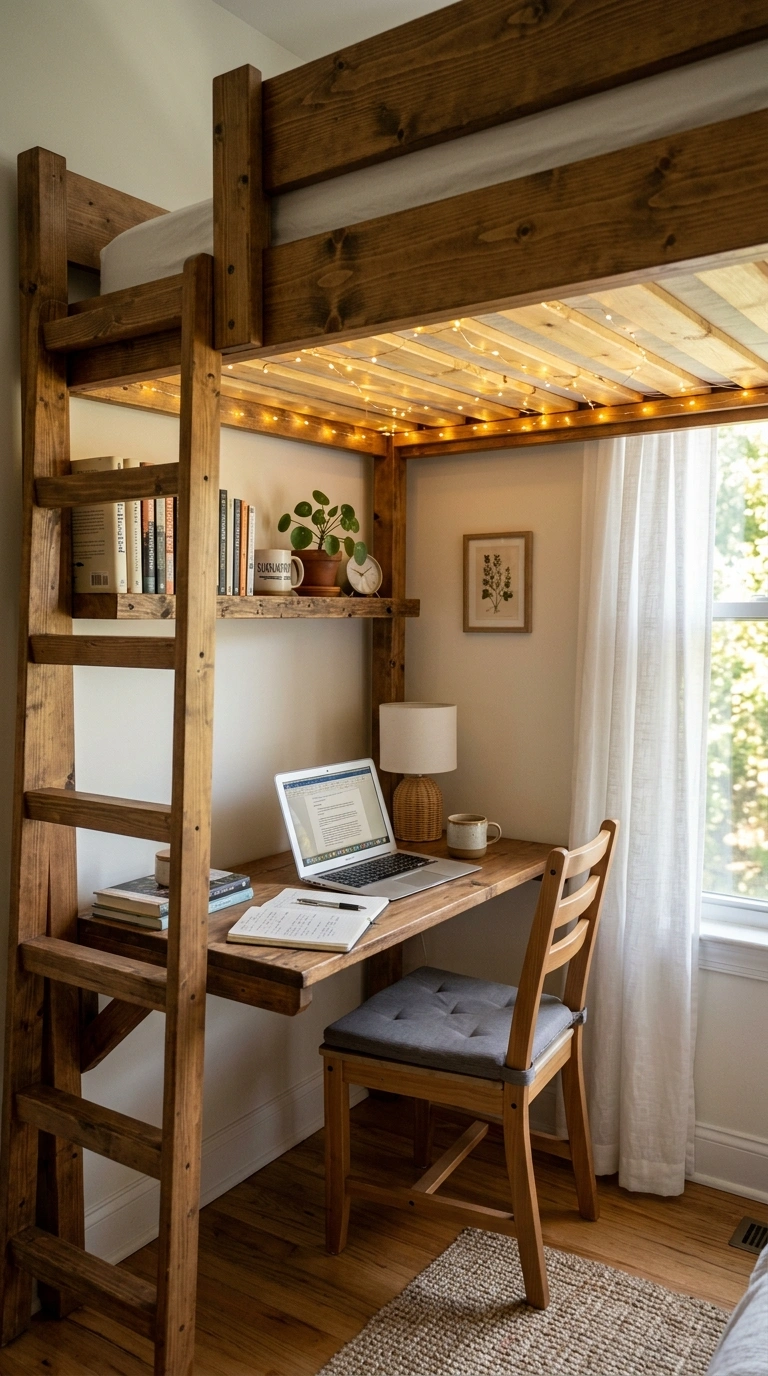
If your bedroom has a loft bed or bunk bed, the space underneath is often the most overlooked spot for a desk setup. Measure the height under the bed frame before buying a desk, since you will need at least three feet of clearance for a chair to fit comfortably. Choose a desk that matches the width of the bed frame so the whole setup looks built-in rather than squeezed in.
Add string lights or a small clip lamp along the underside of the bed frame for extra light, since this spot often sits in a shadow during the day. A shelf or two mounted on the side wall next to the desk holds books and supplies without taking up any of the desk surface. This idea is especially popular in kids’ rooms, dorm rooms, and small apartments, since it makes full use of a space that would otherwise just be wasted floor area under the bed.
14. Gallery Wall Desk Corner
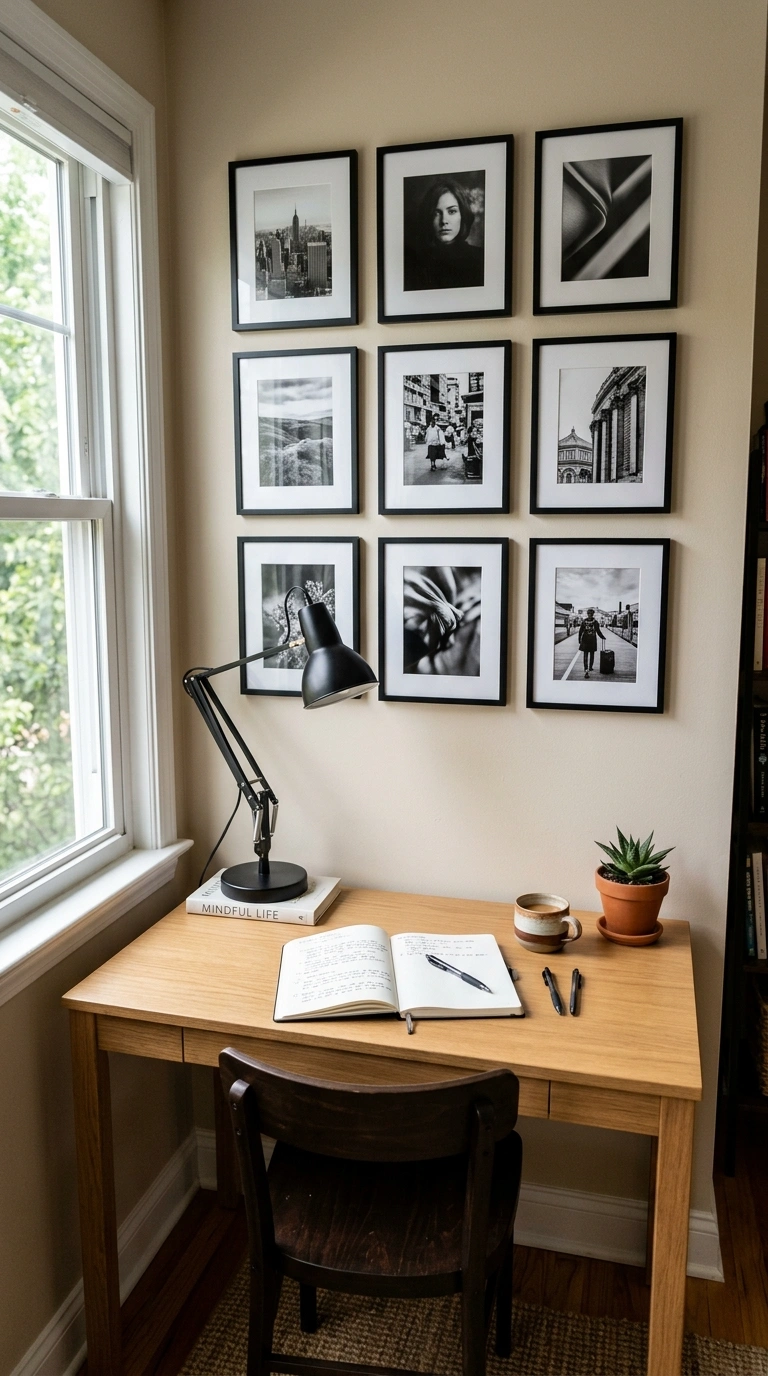
A small gallery wall above your desk turns a plain work corner into a spot you actually want to sit at every day. Choose a mix of frame sizes and colors, but keep the images themselves within a similar color family, like black and white photos or prints with the same warm color tones, so the wall still feels cohesive. Arrange the frames starting about six inches above the desk surface and build upward and outward from there.
Leave a little breathing room between frames instead of packing them edge to edge, since a slightly spaced out gallery wall tends to look more intentional. Add a small desk lamp so you still have task lighting even though the gallery wall takes up the space where a mounted lamp might normally go. This idea works in almost any bedroom style, and it is one of the easiest ways to make a plain desk corner feel personal and finished.
15. Minimalist White Corner Setup
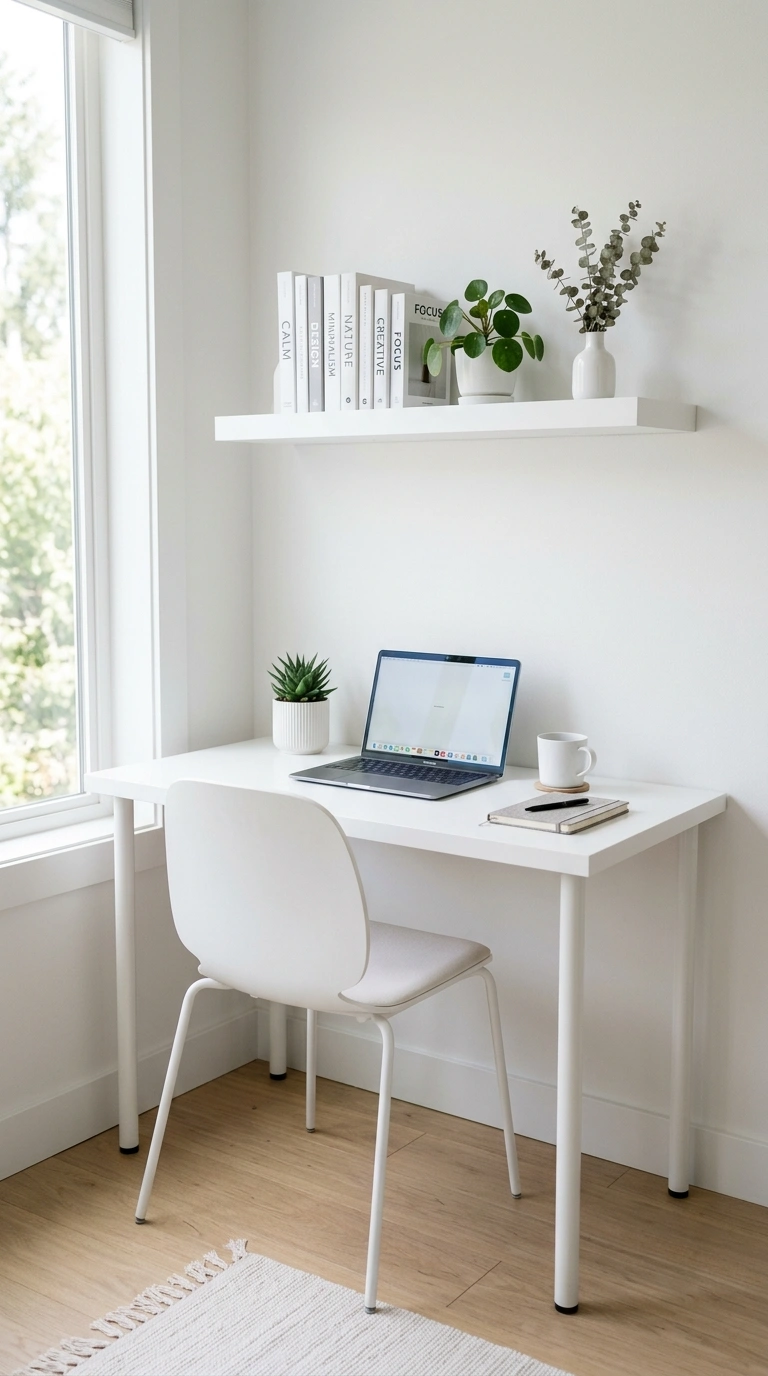
A clean, mostly white desk corner works well for anyone who wants their workspace to feel calm and free of visual noise. Choose a simple white desk with thin legs, paired with a white or light wood chair, so the furniture almost blends into the wall behind it. Keep the desktop itself nearly empty, with just a laptop, a small plant, and one tray for loose items like pens or sticky notes.
A single floating shelf above the desk, also in white, holds a few books standing upright rather than stacked, which keeps the look tidy. Avoid patterned rugs or bold artwork near this corner, since the whole point is to let the white space feel open and uncluttered. This idea works especially well in small bedrooms since the light color scheme makes the corner feel bigger than it actually is, and it also makes it easier to spot clutter before it piles up.
Your bedroom does not need a spare room attached to it for you to have a real place to work. A corner, a window, or even the space under a loft bed can turn into a workspace with the right desk and a little planning. Pick the idea that fits your room’s shape and your budget, then build from there. Small changes, like a new paint color or a floating shelf, can make the difference between a corner that feels unfinished and one that feels like it was always meant to be there.