20 Stylish Tips for Decorating White Walls
A friend of mine moved into a new apartment last year and called me almost in a panic because every single wall was plain white and she had no idea where to even start. I get that feeling. White walls are a blank page, and a blank page can feel more intimidating than a colorful one because there is nothing to react to, nothing to work around. But white walls are actually the easiest kind to decorate, since almost anything looks good against them, from warm wood tones to black frames to a bold piece of art. The trick is knowing which combinations actually pull a room together instead of leaving it feeling bare or too busy. These 20 tips cover everything from gallery walls to shelving to lighting, so you can pick a few that suit your space and finally stop staring at that empty white wall wondering what to do with it.
1. Layered Gallery Wall
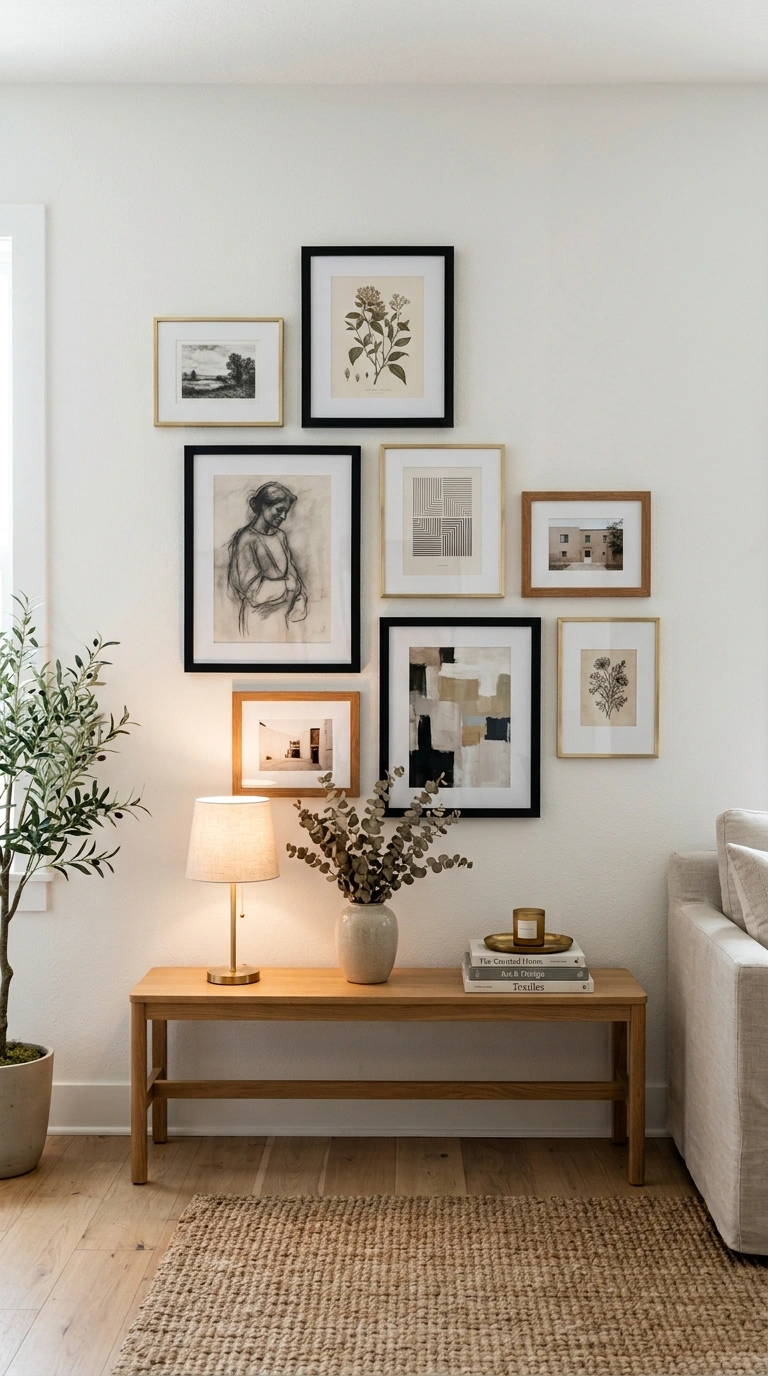
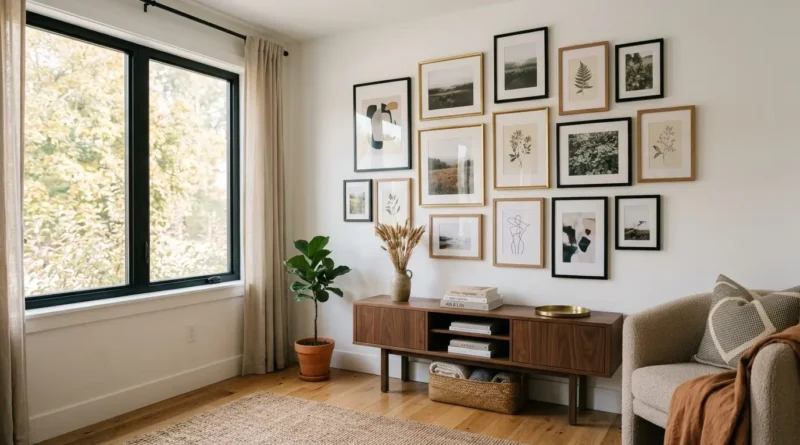
A gallery wall is one of the most reliable ways to fill a large stretch of white wall, but the trick is layering frames of different sizes rather than lining up matching ones in a perfect grid. Mix a few large frames with several smaller ones, and vary the frame colors slightly, like black, warm wood, and thin brass, so the wall does not feel too matchy. Lay everything out on the floor first in the shape you want before hammering a single nail, since this saves you from a wall full of unwanted holes. This works especially well behind a sofa or above a console table, where the wall is wide enough to hold a spread of eight to twelve pieces. Mix in a few blank spaces between frames rather than packing them edge to edge, since breathing room is part of what keeps a gallery wall from feeling cluttered.
2. Woven Wall Textures
A large woven hanging or textured tapestry brings warmth to a white wall in a way that flat framed art cannot, since the texture itself catches light and shadow throughout the day. Choose a piece in natural cream, tan, or soft terracotta tones so it reads as an accent rather than competing with the wall. Hang it centered above a bed, sofa, or dining table, using a simple wooden dowel so the piece has a slight structure at the top. This idea works particularly well in bedrooms, where the softness of woven texture adds a calming, cozy feeling that a hard framed print does not quite achieve. A single oversized piece often makes more impact than several smaller ones, so resist the urge to add extra decor around it.
3. Statement Mirror
An oversized mirror with an interesting frame, like an arched wood frame or a thin brass ring, does double duty on a white wall by adding both style and extra light bounced around the room. Hang it in a spot that reflects a window or a lamp, since this is what makes the mirror actually brighten the space rather than just sitting there as decoration. This works especially well in an entryway, above a console table, or in a dining room where a large blank wall often goes unused. Choose a shape that contrasts with the room’s other lines, like a curved arch mirror in a room full of straight furniture edges, for a bit of visual interest. A statement mirror this size becomes the natural focal point of the wall, so keep everything else around it fairly simple.
4. Floating Wood Shelves
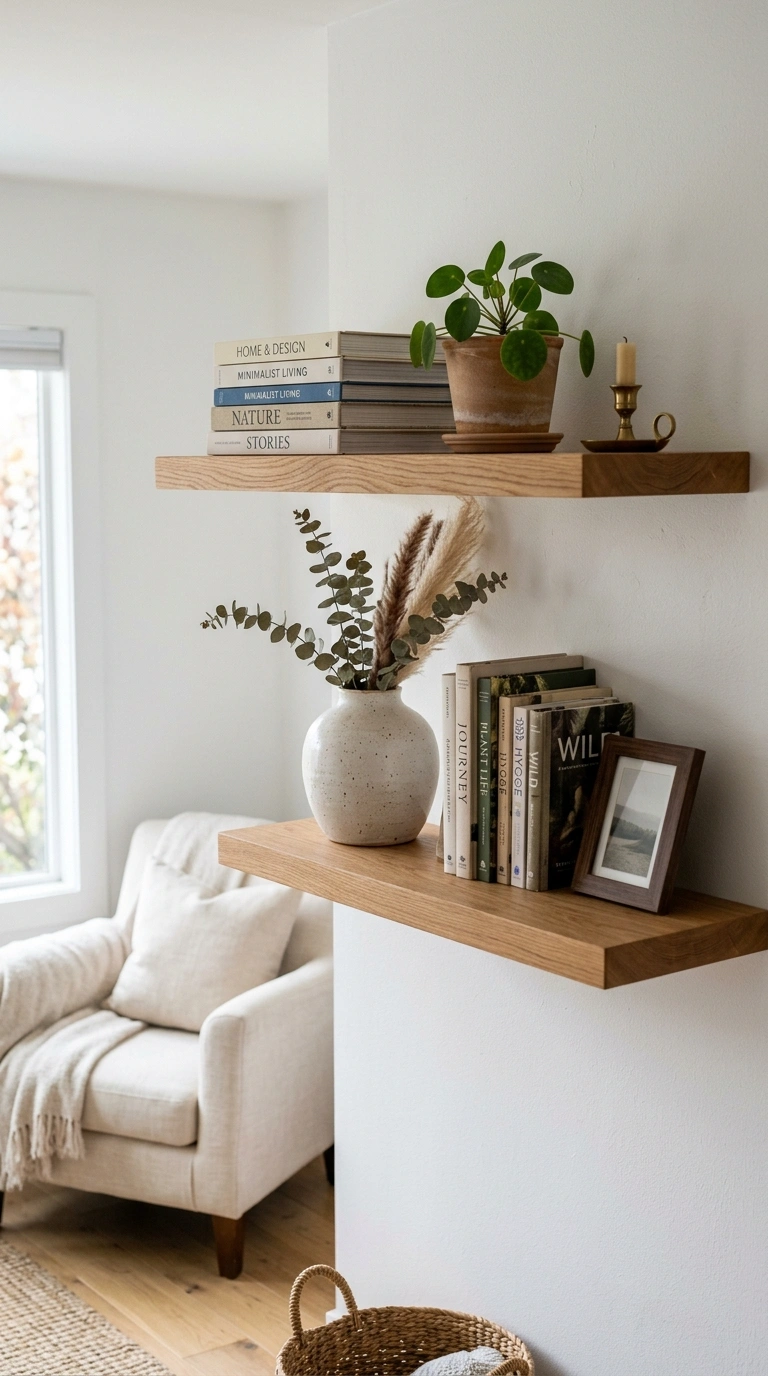
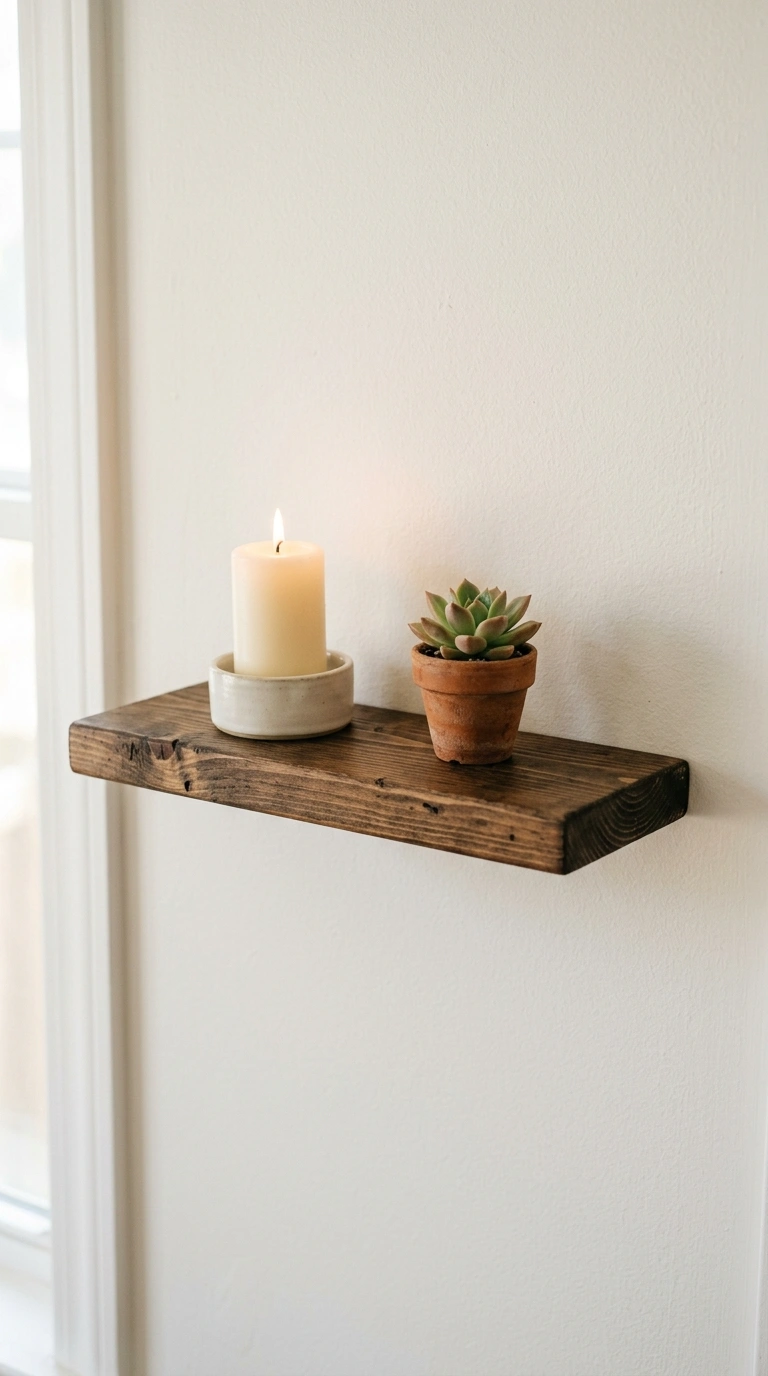
A set of two or three floating wood shelves mounted at slightly staggered heights turns a blank wall into a spot for both storage and display. Choose a warm wood tone like oak or walnut to contrast nicely against the white paint, and style each shelf with a mix of books, a small plant, and one or two decorative objects, keeping the arrangement loose rather than perfectly symmetrical. This idea works well in a living room, home office, or kitchen, anywhere a bit of open storage would be useful. Leave some open space on each shelf rather than filling every inch, since a shelf packed edge to edge starts to look cluttered instead of styled. Vary the height of objects across the shelves so the eye moves naturally up and down the wall.
5. Bold Framed Art
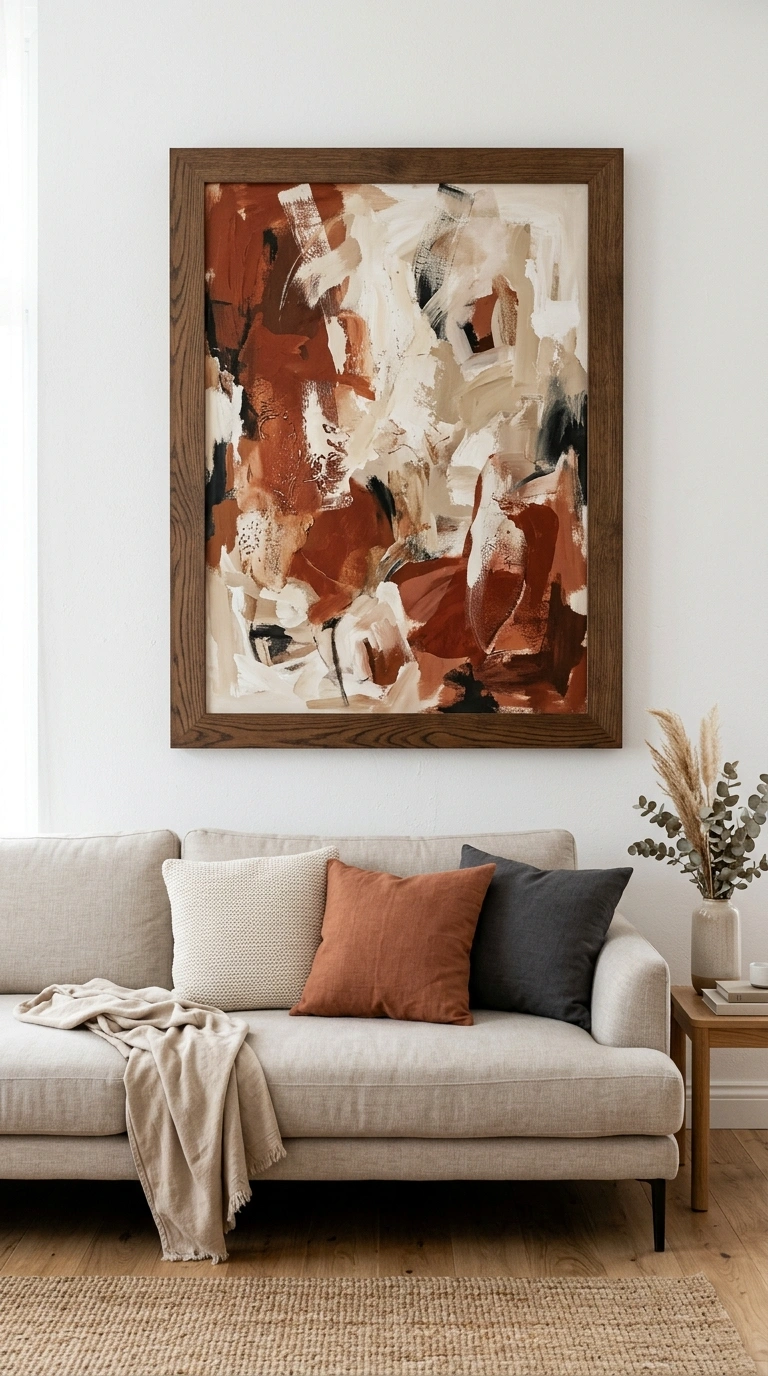
Sometimes the simplest fix for a plain white wall is one large, bold piece of framed art that does not need any supporting decor around it at all. Choose a piece with strong color or a graphic pattern, since the white wall gives it plenty of room to stand out without competing with busy surroundings. Hang it at eye level, centered above a piece of furniture like a sofa, dresser, or bed, so it feels anchored rather than floating randomly in space. This idea works especially well in a room that already has a lot of neutral furniture and textiles, since the art becomes the one clear pop of personality in the space. A single striking piece often does more for a room than five smaller, quieter ones scattered around it.
6. Textured Wall Panels
Wood slat panels or simple wainscoting installed on a portion of a white wall adds dimension without needing any paint color at all, since the texture itself creates shadow and depth. Choose a light wood tone if you want the panels to blend softly into the wall, or a darker walnut stain if you want a clear accent feature. This idea works especially well as a headboard wall in a bedroom or as a feature wall behind a television in a living room. Install the panels only on the lower two thirds of the wall or as a single vertical section, rather than covering the entire wall, so the effect feels intentional rather than overwhelming. The natural grain and shadow lines give a plain wall real architectural interest.
7. Hanging Plant Wall
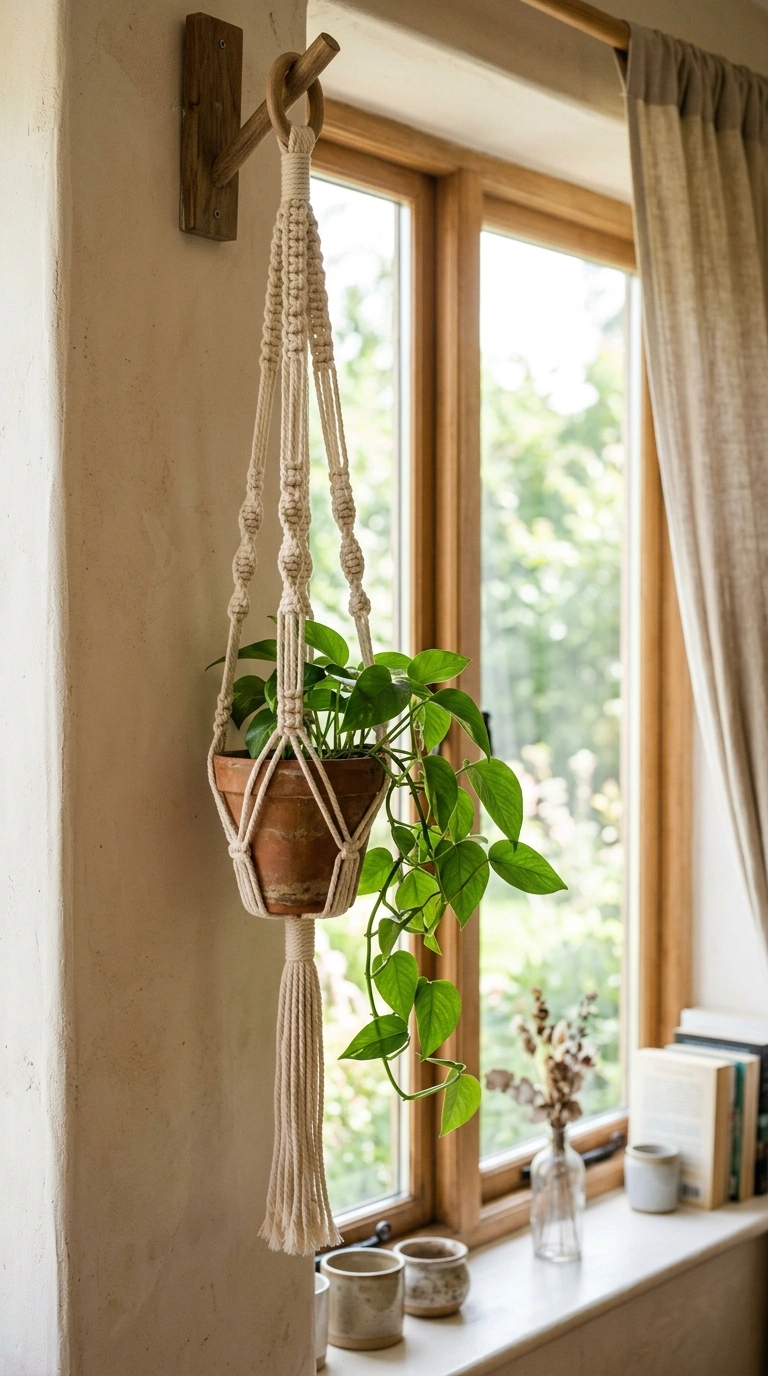
A cluster of hanging plants at varying heights along a white wall brings life and movement into a space that might otherwise feel a bit stiff. Choose trailing plants like pothos or string of pearls, and hang them in a mix of simple woven hangers and plain ceramic pots on wall mounted hooks. This idea works especially well near a window with good natural light, since the plants need it to actually thrive rather than just look nice for a few weeks. Stagger the hanging heights so the plants create a soft, cascading line down the wall rather than sitting all at one level. This is a particularly good option for a reading nook or a corner near a window that otherwise feels underused.
8. Vintage Rug Layer
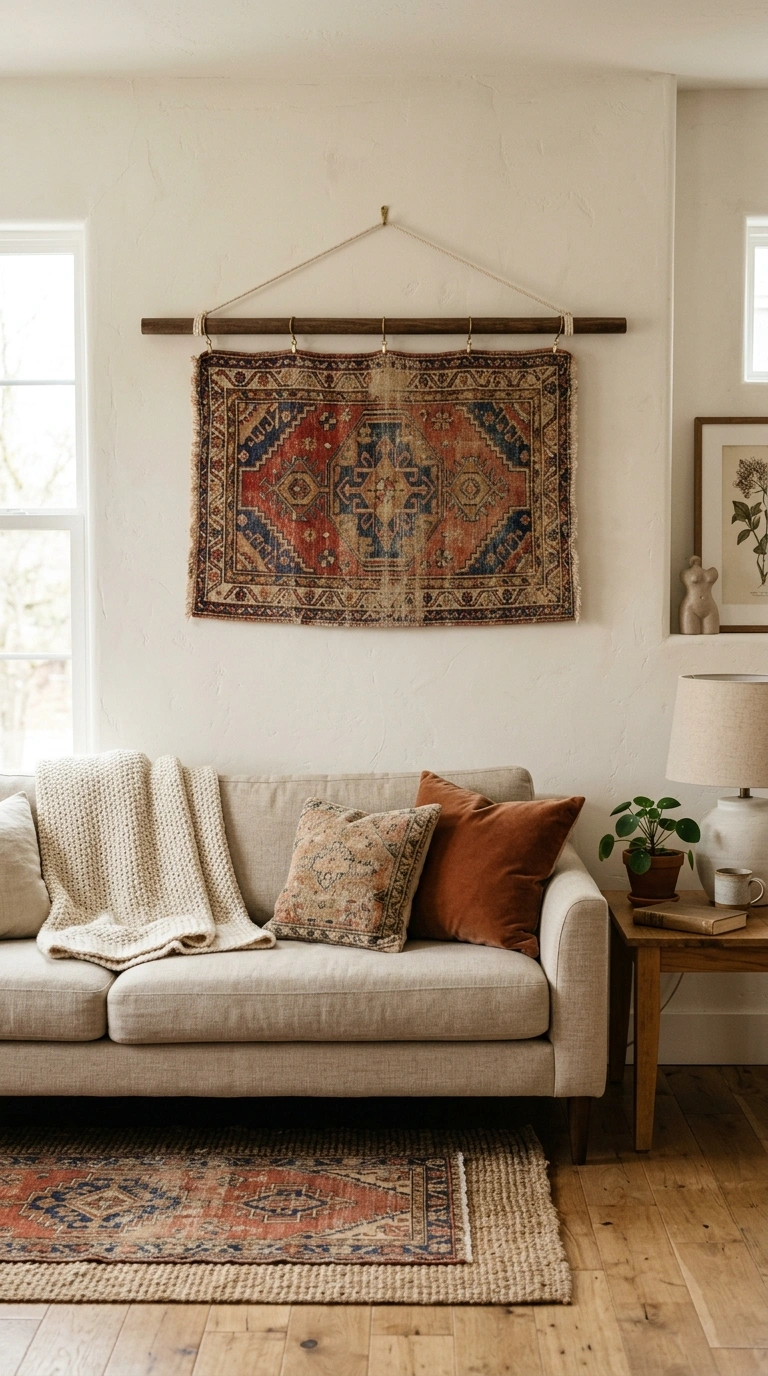
Hanging a small vintage or kilim rug flat against a white wall as art is an unexpected way to bring in pattern and color without committing to a large framed piece. Choose a rug with faded, warm tones like rust, cream, and muted blue, and mount it using a simple wooden dowel sewn or clipped along the top edge. This idea works especially well above a bed or sofa, where the rug’s soft pattern softens the hard edge of a plain white wall. The slightly worn, imperfect look of a vintage rug also adds a lived-in warmth that a brand new piece of art rarely has. This is a great option if you already own a rug that is too small for the floor but too pretty to store away.
9. Brass Wall Sconces
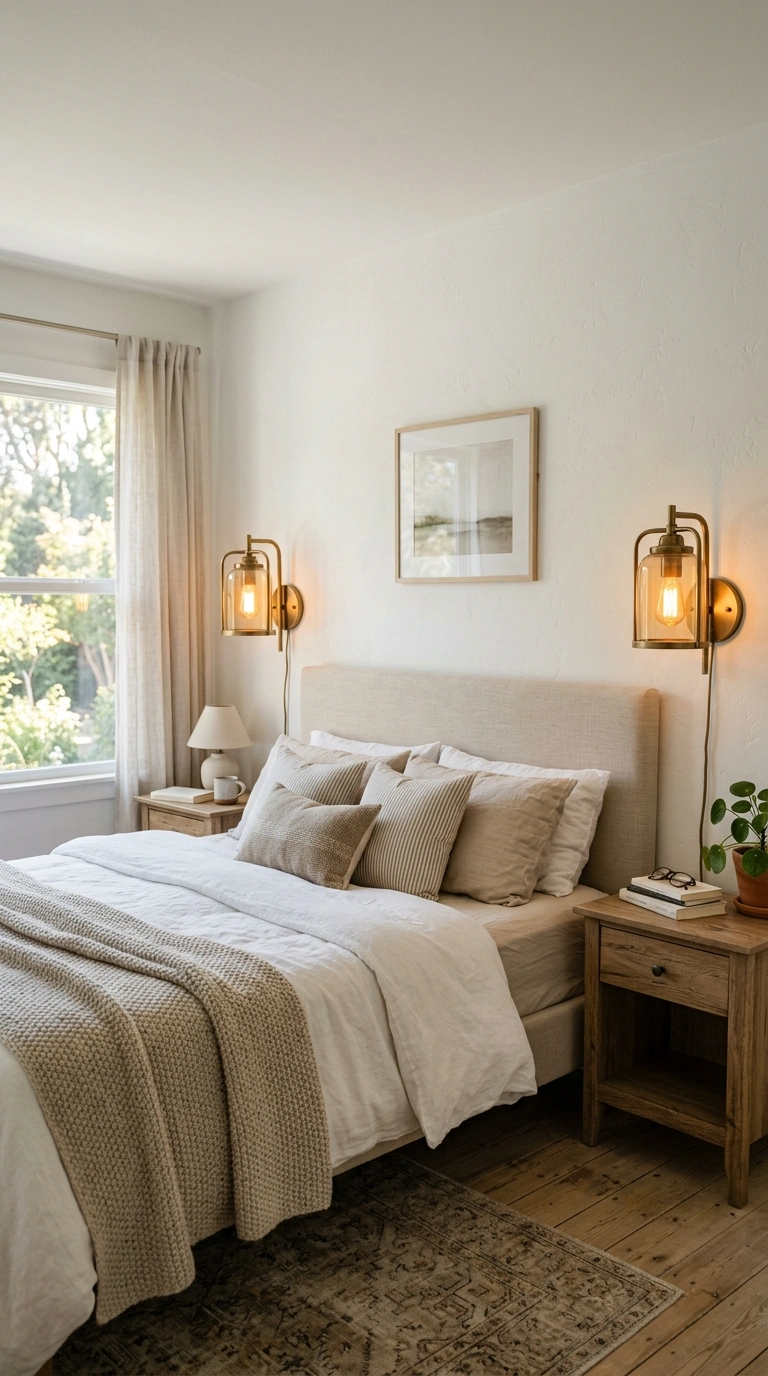
A pair of brass wall sconces mounted on either side of a bed, mirror, or piece of art adds both function and a bit of sculptural interest to an otherwise flat wall. Choose sconces with a simple arm and a fabric or glass shade, and mount them at a height where the light falls comfortably for reading or getting ready. This idea works especially well in bedrooms flanking a headboard, or in a hallway where overhead lighting alone can feel a bit harsh. The warm glow from sconce lighting also softens the starkness of white walls in the evening, giving the room a cozier feel once the sun goes down. Symmetry here matters, so keep the sconces at matching heights and distances from the center point.
10. Oversized Single Print
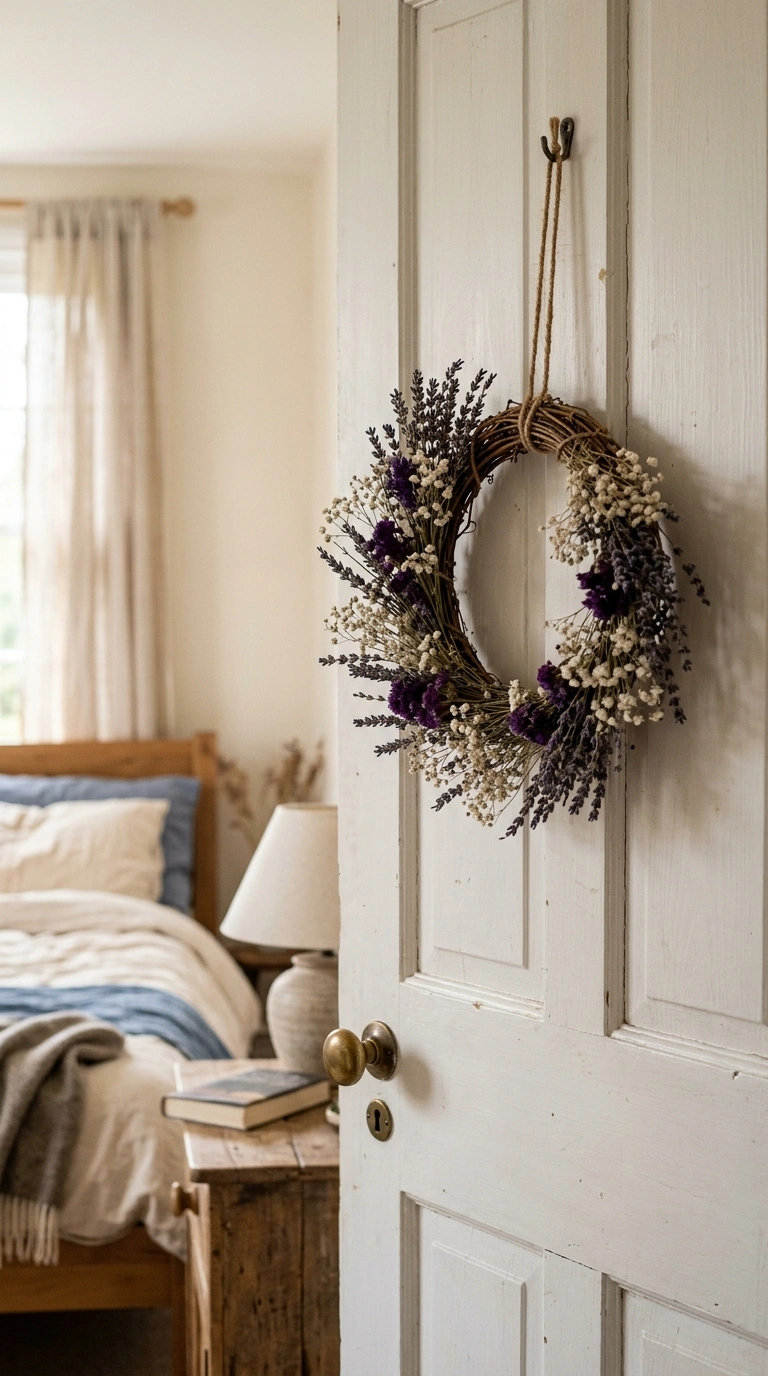
Instead of a gallery wall full of smaller pieces, one truly oversized print, taking up a large portion of the wall on its own, can make an even bigger visual statement with far less effort. Choose a print in a scale that feels almost too big for the space, since this is exactly what gives it impact against a plain white wall. A botanical print, an abstract painting, or a black and white photograph all work well here, depending on the room’s overall style. Hang it centered on the wall, ideally above a piece of furniture so it feels grounded rather than floating in open space. This idea is especially useful for a large, awkward wall that has resisted every attempt at a gallery arrangement.
11. Wood Beam Accent
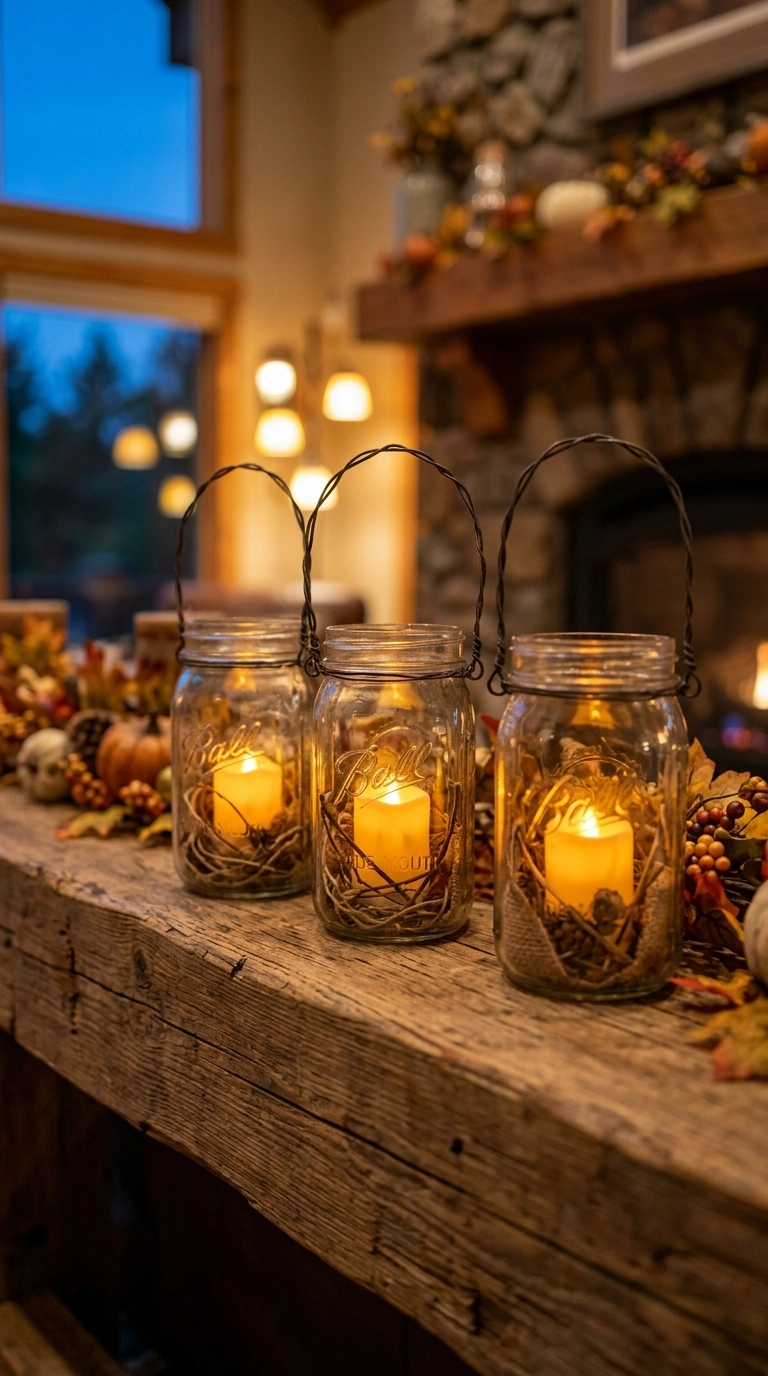
A single reclaimed wood beam mounted horizontally across a white wall, either bare or styled with a few small hooks, adds a warm architectural line that breaks up a large blank surface. Choose a beam with visible grain and a slightly rough, weathered finish for the most character, and mount it at a height that feels intentional, either near the ceiling as a ledge or at eye level as a display shelf. This idea works particularly well in a living room or entryway with other natural wood tones nearby, since the beam ties the materials together. Style it simply with one or two small objects, like a framed photo leaned against the wall or a small plant, rather than crowding the narrow surface.
12. Layered Curtains
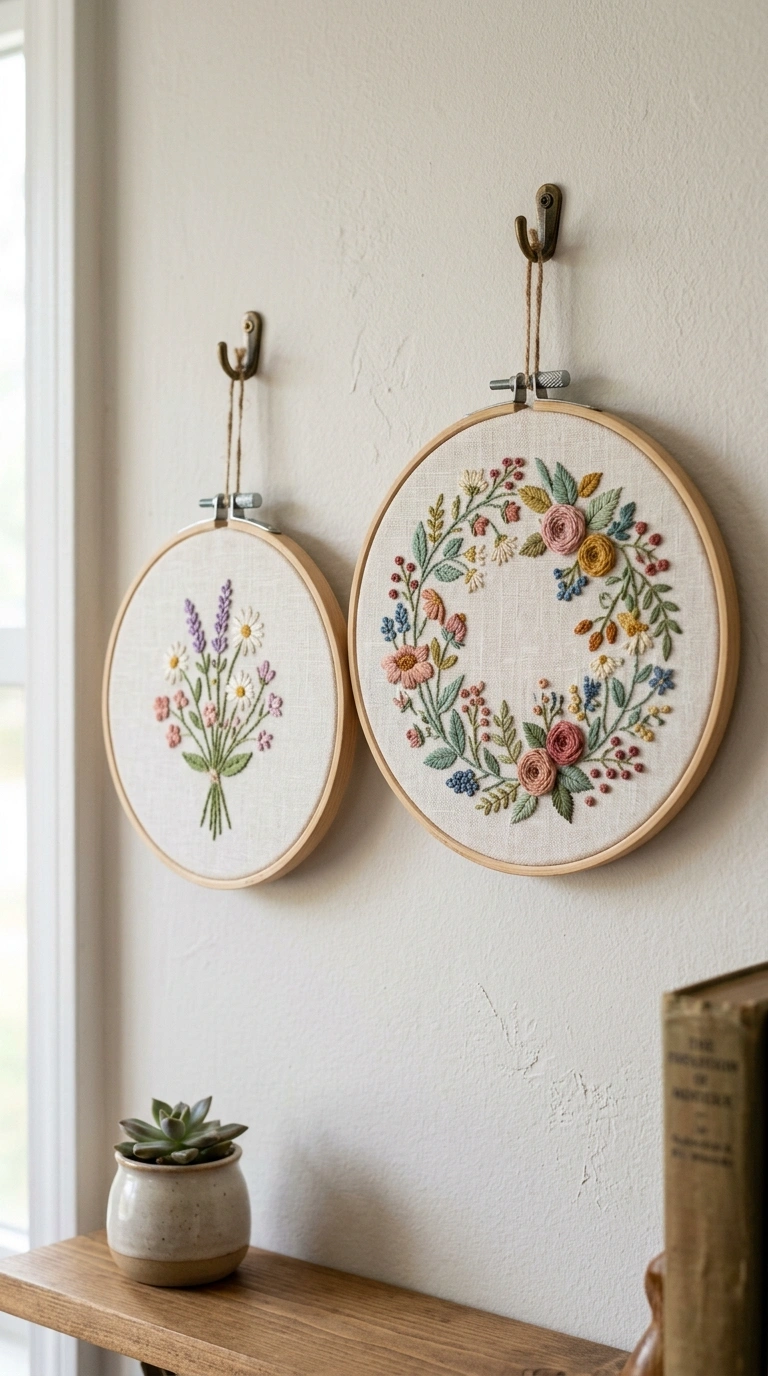
Hanging curtains that extend beyond the actual window frame, mounted higher and wider than the window itself, tricks the eye into seeing more height and width on a plain white wall than actually exists. Choose a soft linen or cotton curtain in a warm cream or soft sage tone, and mount the rod as close to the ceiling as possible for maximum height. This idea works in almost any room with a window, from a bedroom to a living room, and it is one of the simplest ways to make a plain wall feel finished without adding any actual wall decor at all. The soft folds of fabric also add a gentle texture against the flat white paint, softening the whole room in the process.
13. Ceramic Plate Display
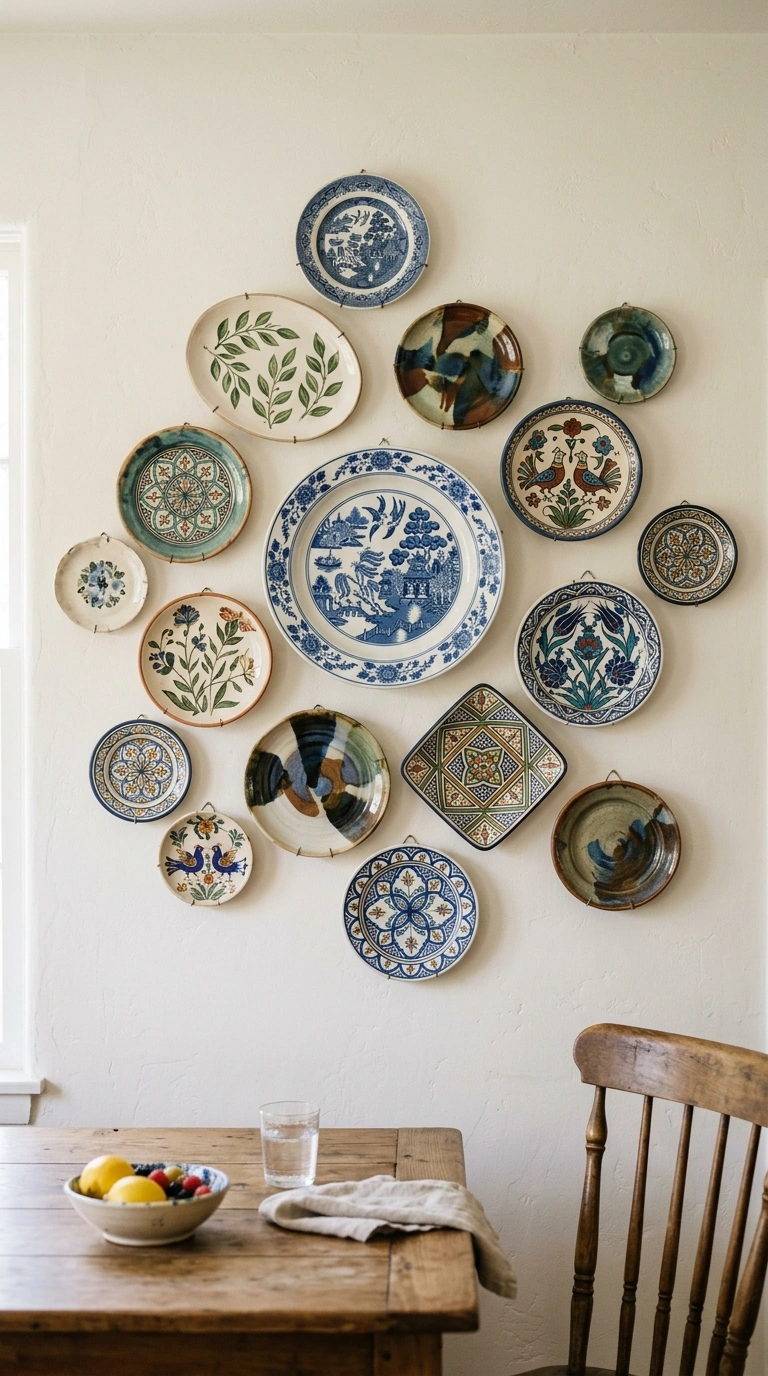
Decorative ceramic plates mounted on a wall using simple plate hangers create an unexpected, collected look that feels a bit more personal than standard framed art. Choose plates with a mix of patterns, like a floral design, a solid glazed color, and a hand painted piece, arranged in a loose cluster rather than a strict grid. This idea works especially well in a dining room or kitchen, where the plates tie naturally into the room’s function. Vary the plate sizes across the arrangement, using two or three larger plates as anchors and filling in with smaller ones around them. This is also a nice way to display plates passed down from family or collected while traveling, giving them a spot to be seen rather than stored in a cabinet.
14. Wall Mounted Vases
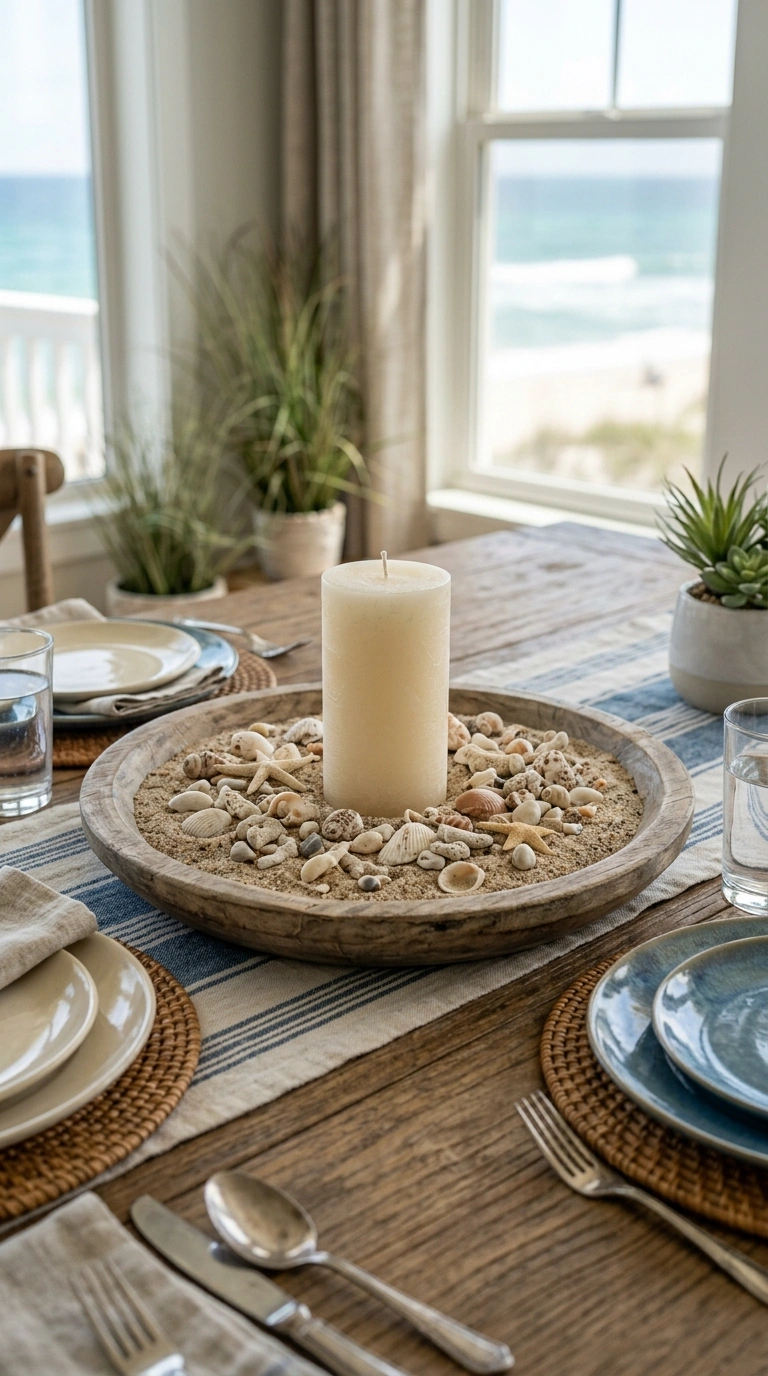
Small ceramic bud vases mounted directly onto a white wall in a cluster, each holding a single dried or fresh stem, create a delicate, almost sculptural display that takes up very little visual weight. Choose vases in a mix of matte white, soft terracotta, and pale sage tones so the cluster feels coordinated but not identical. Mount them at slightly varied heights in a loose diagonal line rather than a straight row for a more natural look. This idea works especially well in a bedroom or reading nook, where the small scale suits an intimate space better than a large piece of art would. Swap the stems seasonally to keep the display feeling fresh without needing to change anything else about the wall.
15. Botanical Print Series
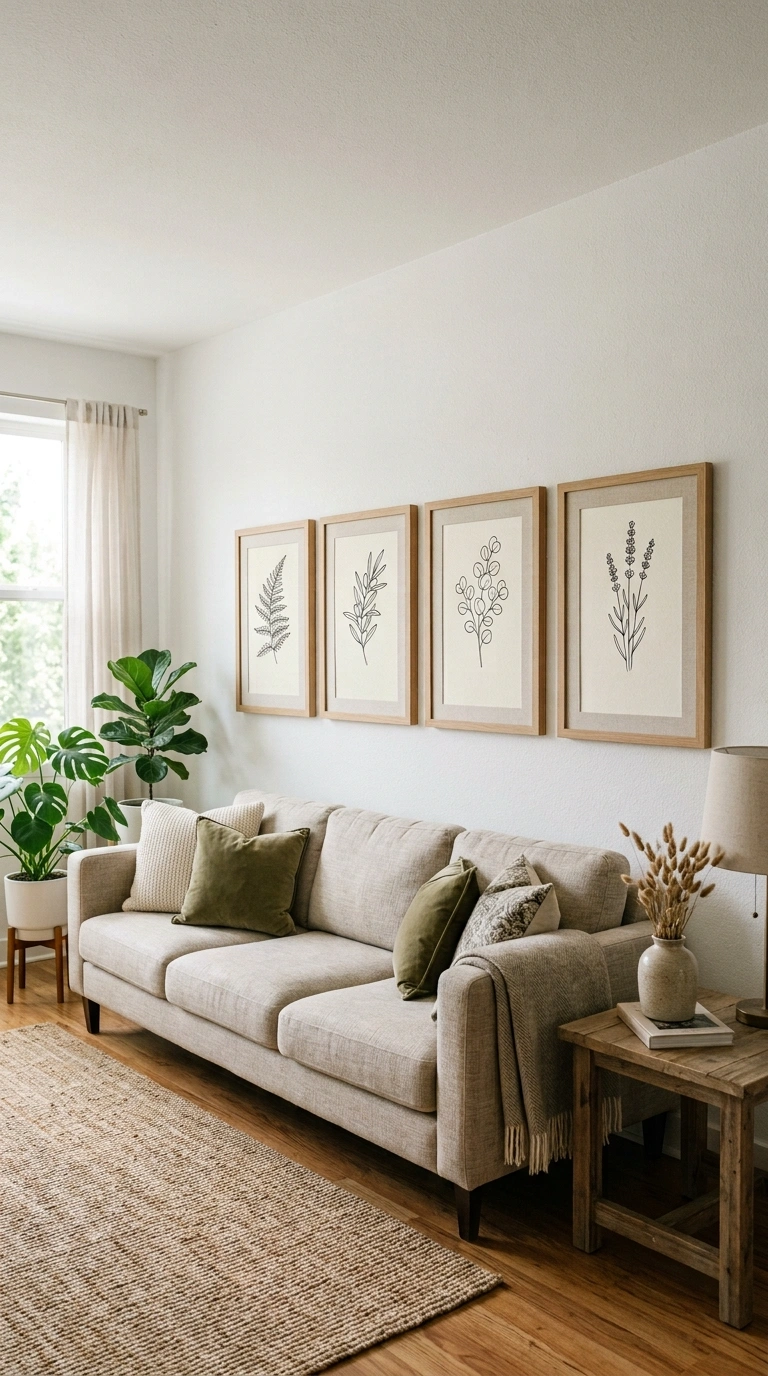
A set of three or four matching botanical prints, framed identically and hung in a straight horizontal row, brings a soft, natural feel to a white wall without much visual complexity. Choose prints with a similar color palette, like soft green line drawings on a cream background, so the series reads as one cohesive piece rather than separate pictures. This idea works especially well above a long piece of furniture, like a sofa, console table, or headboard, where the horizontal row echoes the furniture’s own width. Space the frames evenly, usually about three inches apart, and keep them at the same height for a clean, orderly look. This is one of the easier gallery style ideas to plan, since the matching frames remove most of the guesswork.
16. Woven Basket Wall
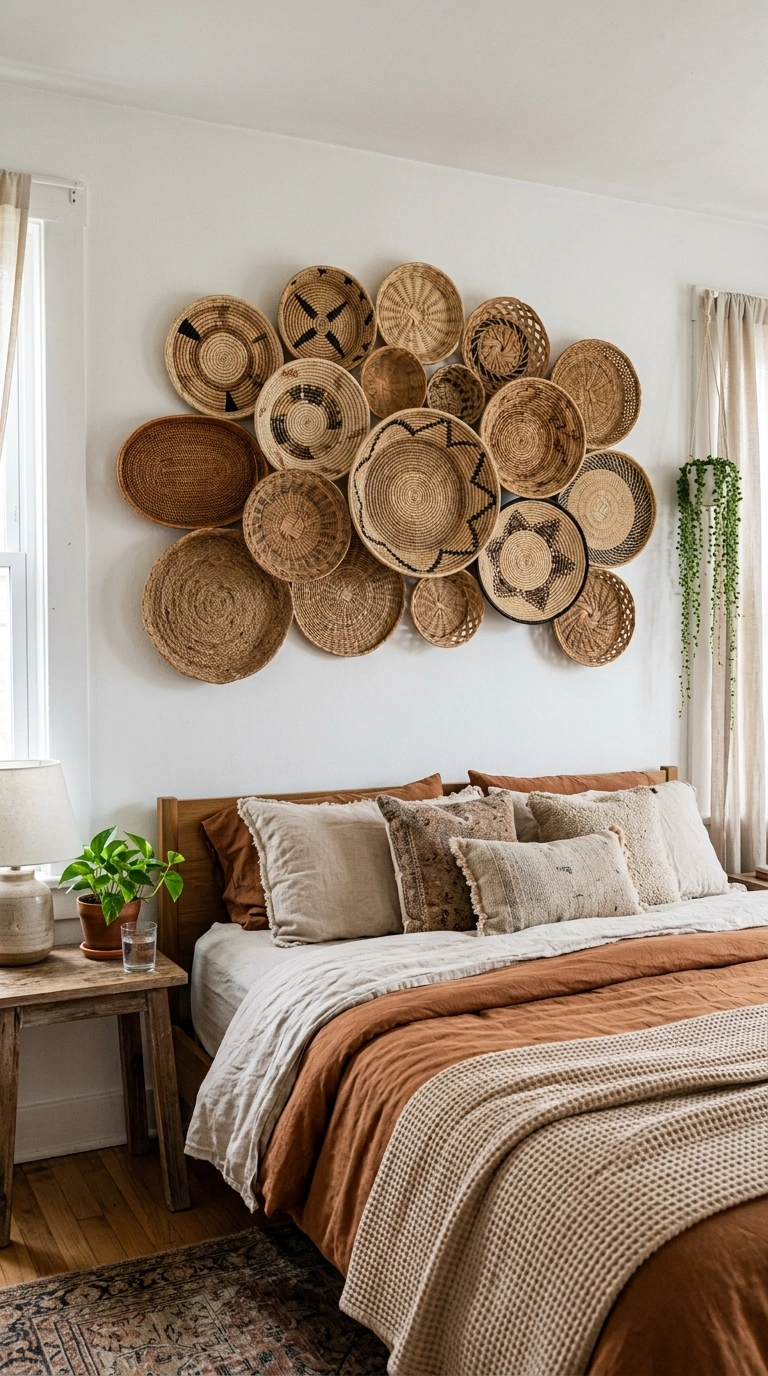
A cluster of flat woven baskets mounted directly onto a white wall creates natural texture and a bit of boho charm without needing any actual artwork at all. Choose baskets in varying sizes and shapes, some round and some oval, in warm tan and honey tones that stand out nicely against white paint. Arrange them in a loose, overlapping cluster rather than a tidy grid, letting a few baskets slightly overlap the edges of others for visual depth. This idea works particularly well above a bed, sofa, or in an entryway, and it is a budget friendly option since baskets are often inexpensive at home stores. The natural material also pairs beautifully with wood furniture and linen textiles elsewhere in the room.
17. Black Frame Grid
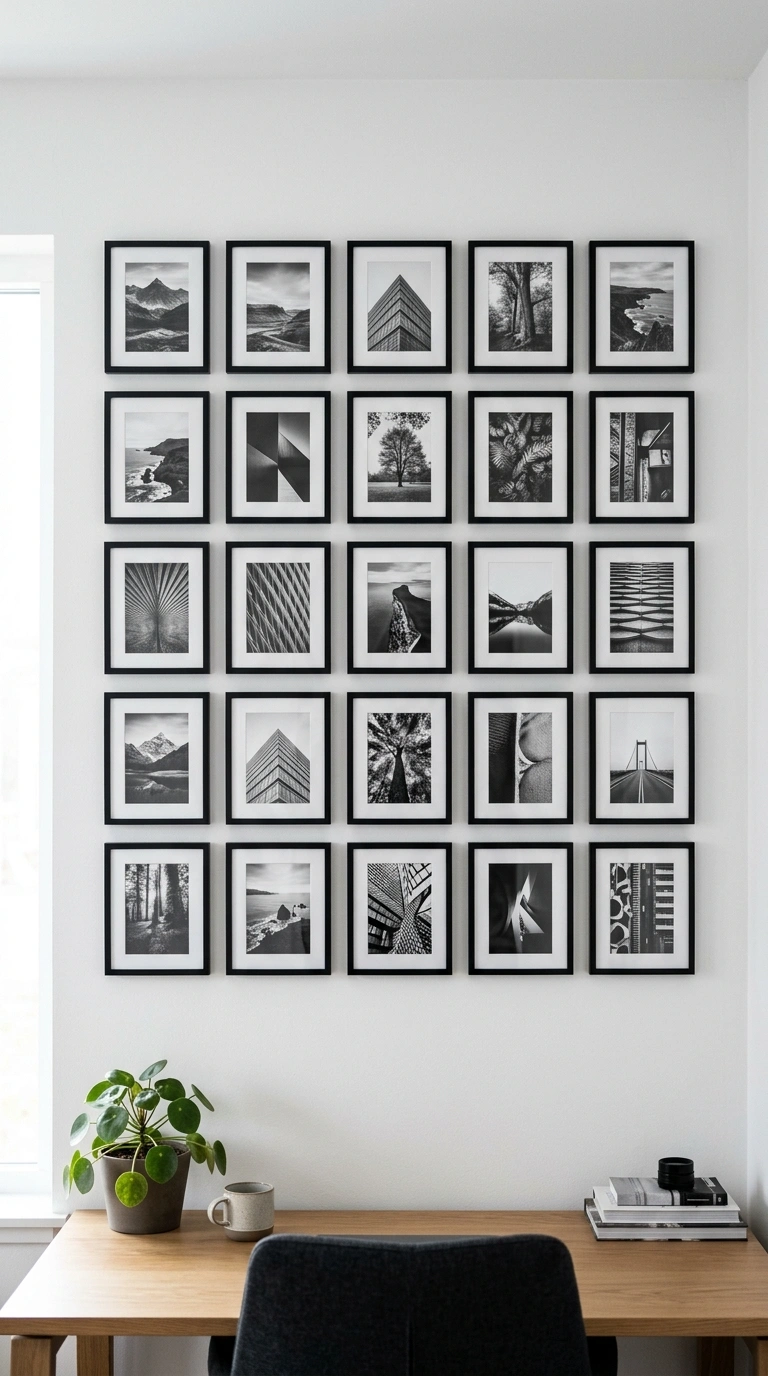
A perfectly even grid of matching black frames, each holding a simple black and white photo or print, creates a clean, gallery-like look that suits a modern or minimalist room. Choose frames that are all the same size, and space them with equal gaps both horizontally and vertically, using a level and a bit of painter’s tape to mark spacing before hanging anything. This idea works especially well in a home office, hallway, or living room with a more streamlined, contemporary style. The strict symmetry of a grid layout is what makes this different from a looser gallery wall, so resist the urge to mix in different sized frames here. Keep the images within the grid loosely related in subject or tone for the most cohesive final look.
18. Natural Light Layering
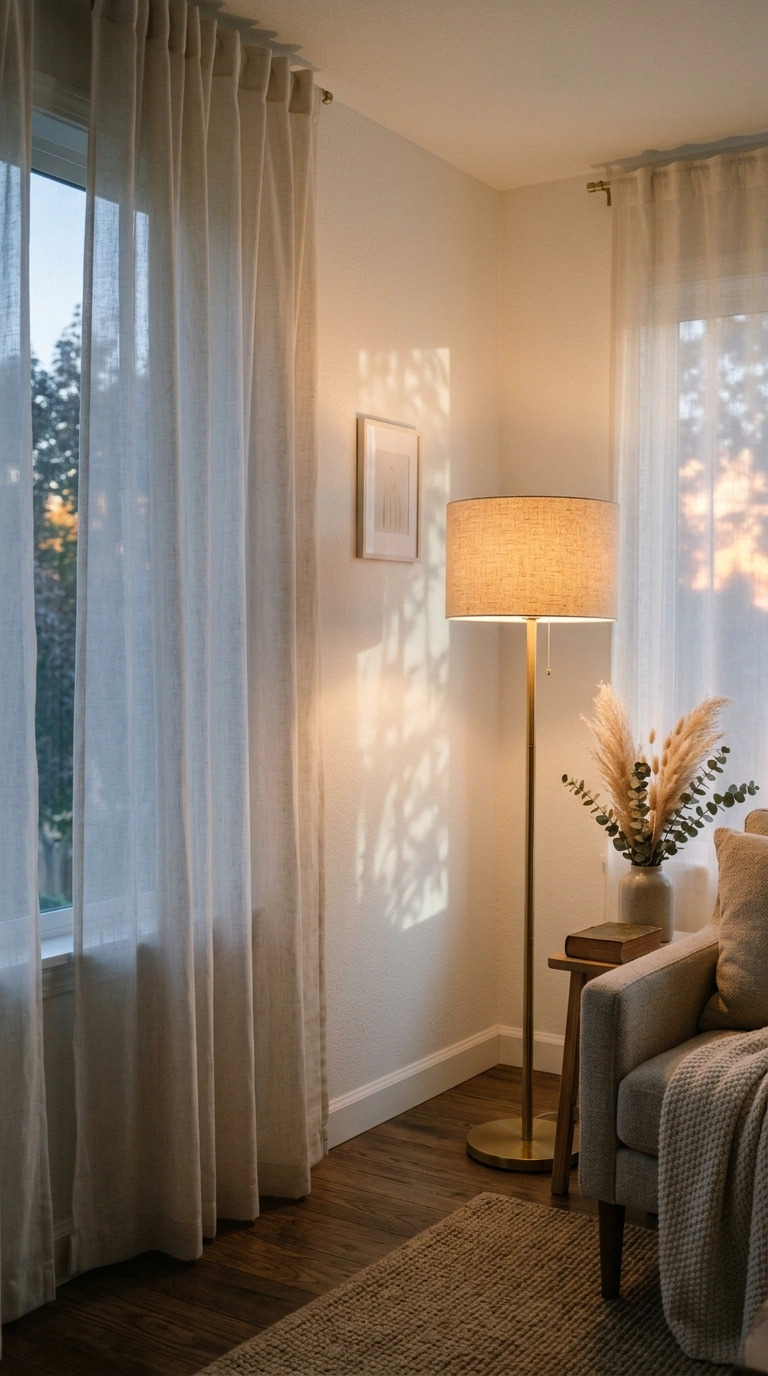
Sometimes the best way to make a white wall feel decorated is to focus on how light hits it throughout the day, using sheer curtains, a strategically placed lamp, or a mirror to catch and bounce natural daylight across the surface. Choose a sheer linen curtain that filters soft light rather than blocking it fully, letting dappled shadows move across the wall as the sun shifts. Place a floor lamp nearby so its warm glow washes gently up the wall in the evening, adding depth once natural light fades. This idea works well in any room where the wall itself is otherwise left bare, letting light and shadow become the main decoration instead of objects. It is a subtle approach, but it changes how a room feels throughout the day.
19. Colorful Throw Layer
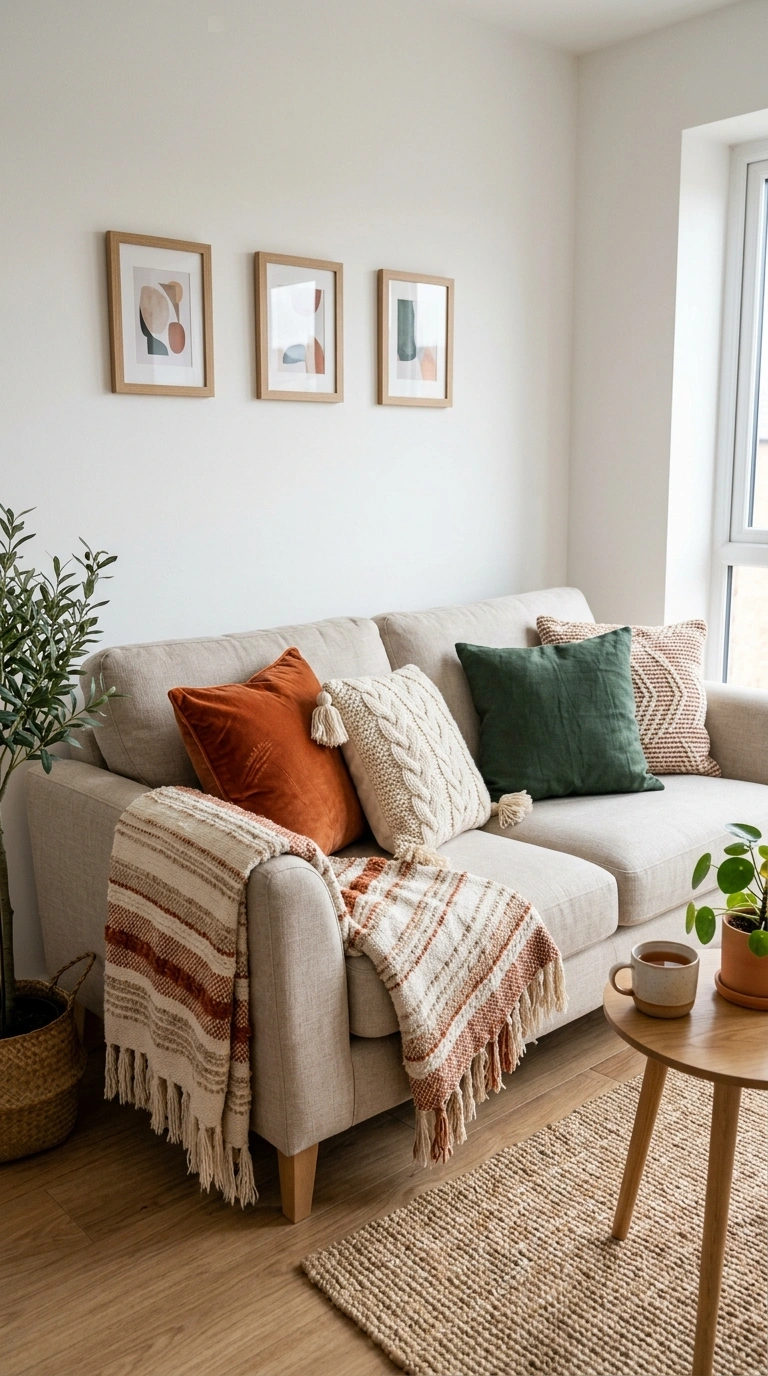
While this idea centers on furniture rather than the wall itself, layering a few colorful throw blankets and pillows on a sofa or bed positioned against a white wall creates enough visual interest that the wall behind barely needs anything added to it. Choose two or three coordinating colors, like rust, cream, and deep green, and drape one blanket loosely over the arm of a sofa or the foot of a bed rather than folding it too neatly. This idea works especially well in a room where you want the wall to stay simple and let the furniture and textiles carry the color instead. It is also one of the easiest and cheapest ways to add personality to a room without touching the wall at all.
20. Sculptural Wall Art
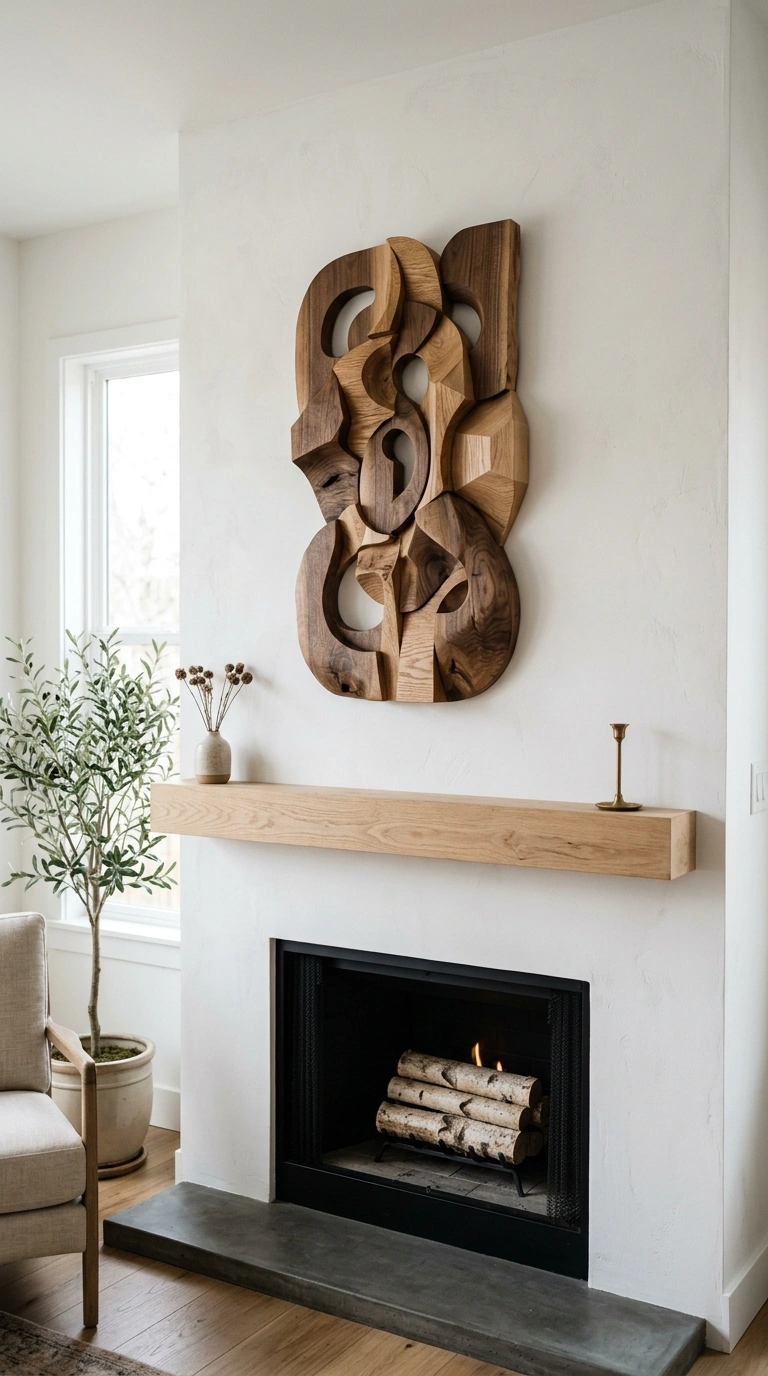
A three dimensional wall sculpture, made from wood, metal, or woven material, adds shadow and depth to a white wall in a way that flat art simply cannot achieve. Choose a piece with an organic, abstract shape, like a wave form or a cluster of geometric wood pieces, and hang it where natural light can hit it at an angle to cast soft shadows onto the wall around it. This idea works especially well as a single statement piece above a fireplace mantel or in an entryway, where its sculptural quality can be appreciated without competing with other decor. Keep the surrounding wall space empty so the piece and its shadow have room to be the main focus. This is a striking option for anyone who wants their wall decor to feel a little more like art and a little less like decoration.
White walls are not really a problem to solve, they are more like a starting point that lets almost anything you add actually stand out. Whether you go with a big gallery wall or just one bold print, the goal is the same, pick something that feels like you and give it room to breathe. Try one idea at a time rather than all twenty at once, and let your walls come together slowly in a way that still feels calm.